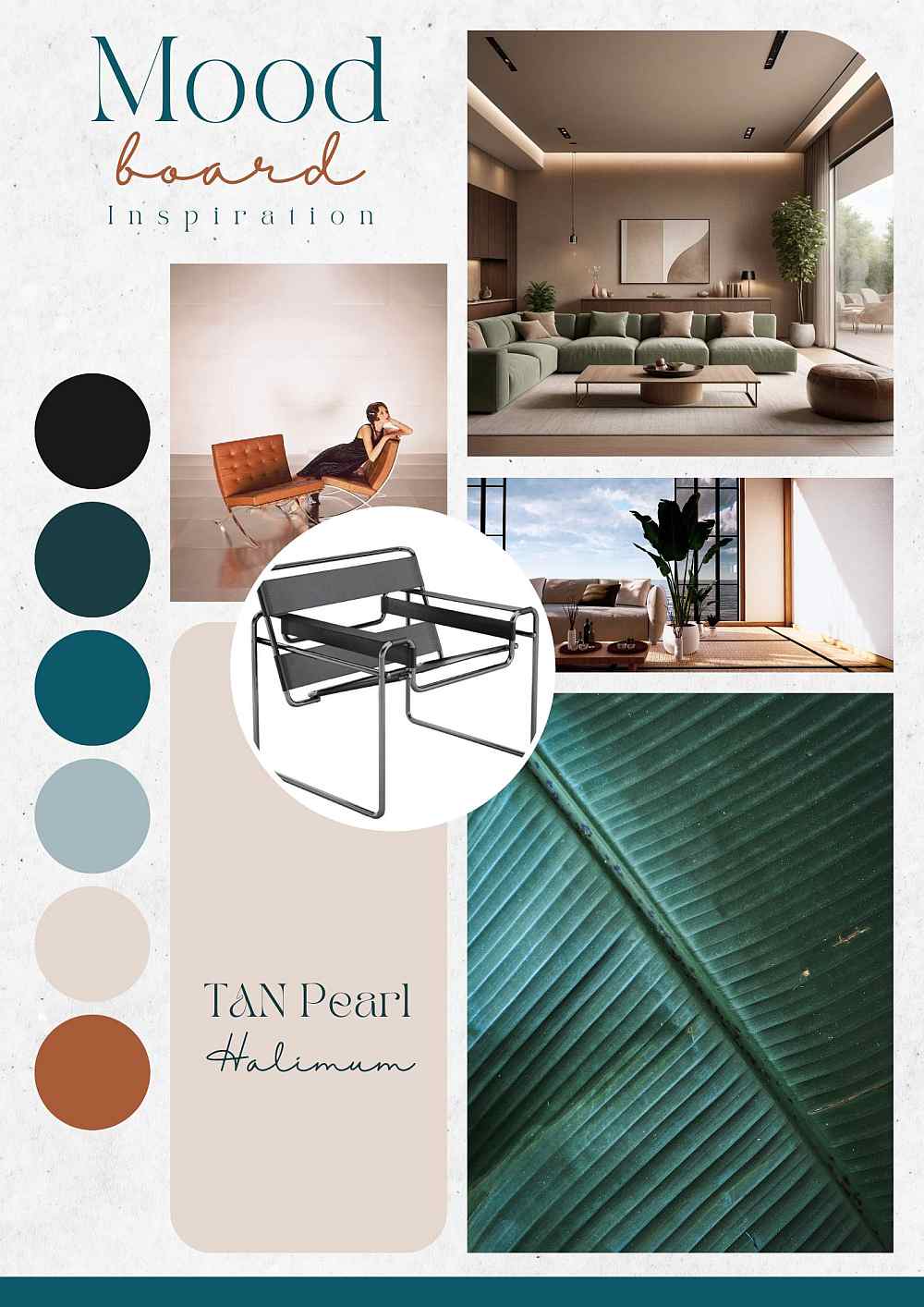
Discover the timeless appeal of minimalist interior design. Learn how this clean, clutter-free aesthetic can create a serene oasis in your home while boosting your well-being. Explore the latest minimalist trends, historical influences, and practical tips.
In our fast-paced world, cluttered spaces can feel overwhelming. Minimalism offers a refreshing antidote, prioritizing simplicity, functionality, and open spaces. This design philosophy has gained immense popularity in recent years, and 2025 is no exception.
In this Home Renovation Blog, we explore the minimalism trends of this year. We’ll also explore its rich history, the influence of influential figures like Marie Kondo, and the profound joy and health benefits it brings to our lives. Get ready to create a modern minimalist interior design mood board for your ideas!
A Brief History of Luxury Minimalist Interior Design
Minimalism, a design philosophy centered on simplicity and functionality, isn’t a recent trend. Its roots stretch back to the early 20th century. A rebellion against the ornate and extravagant styles of the era, minimalism emerged as a counterculture movement. Influenced by art movements like Bauhaus and the pioneering work of artists like Donald Judd and Frank Stella, it stripped away excess, focusing instead on clean lines, basic shapes, and a harmonious balance of space and objects. This stripped-down aesthetic was a radical departure from the norm, laying the groundwork for the minimalist movement we know today.
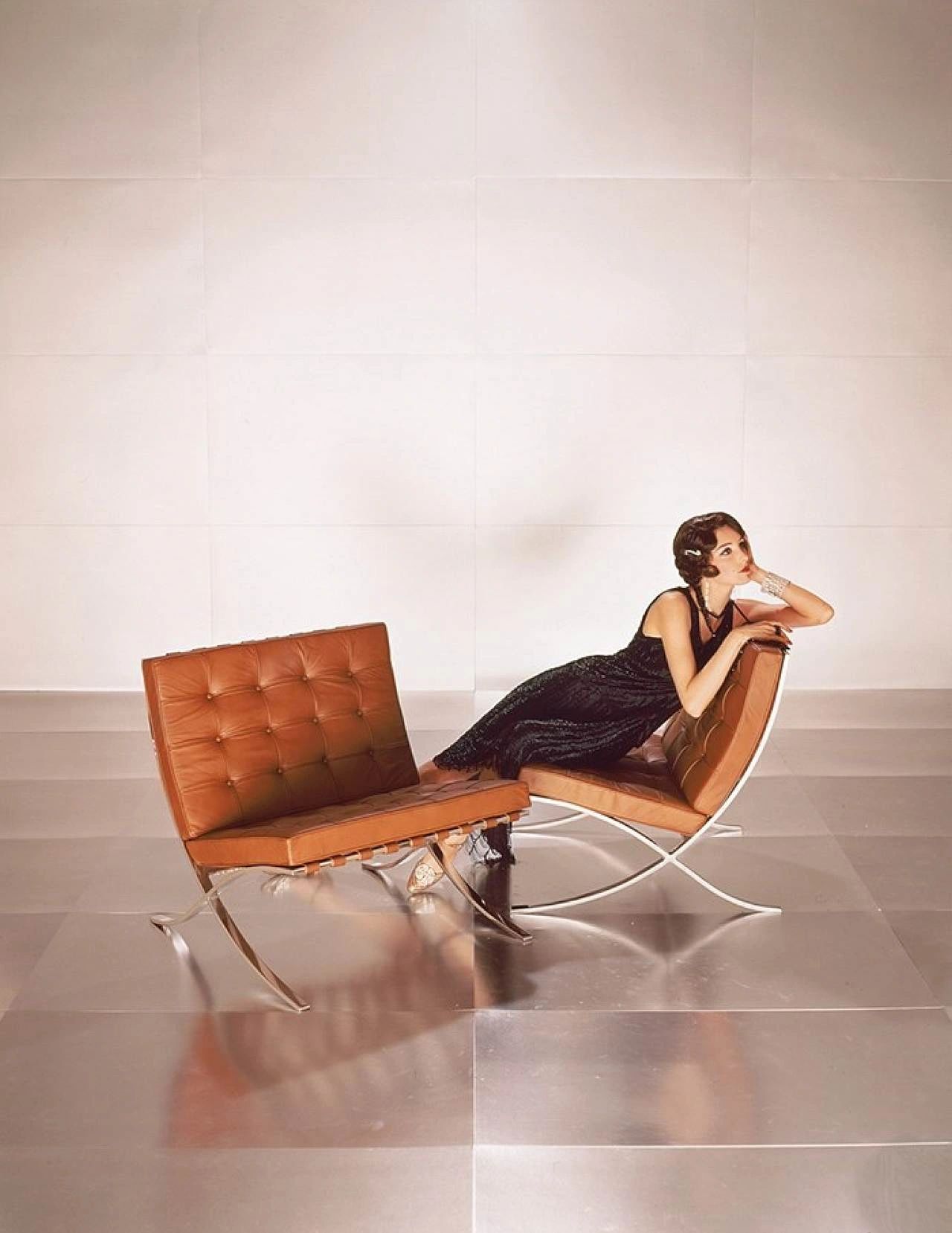
Minimalism Interior Design Trends for 2025
Minimalism continues to evolve, and 2025 brings fresh interpretations of this classic style. Here are some key trends shaping the minimalist design landscape:
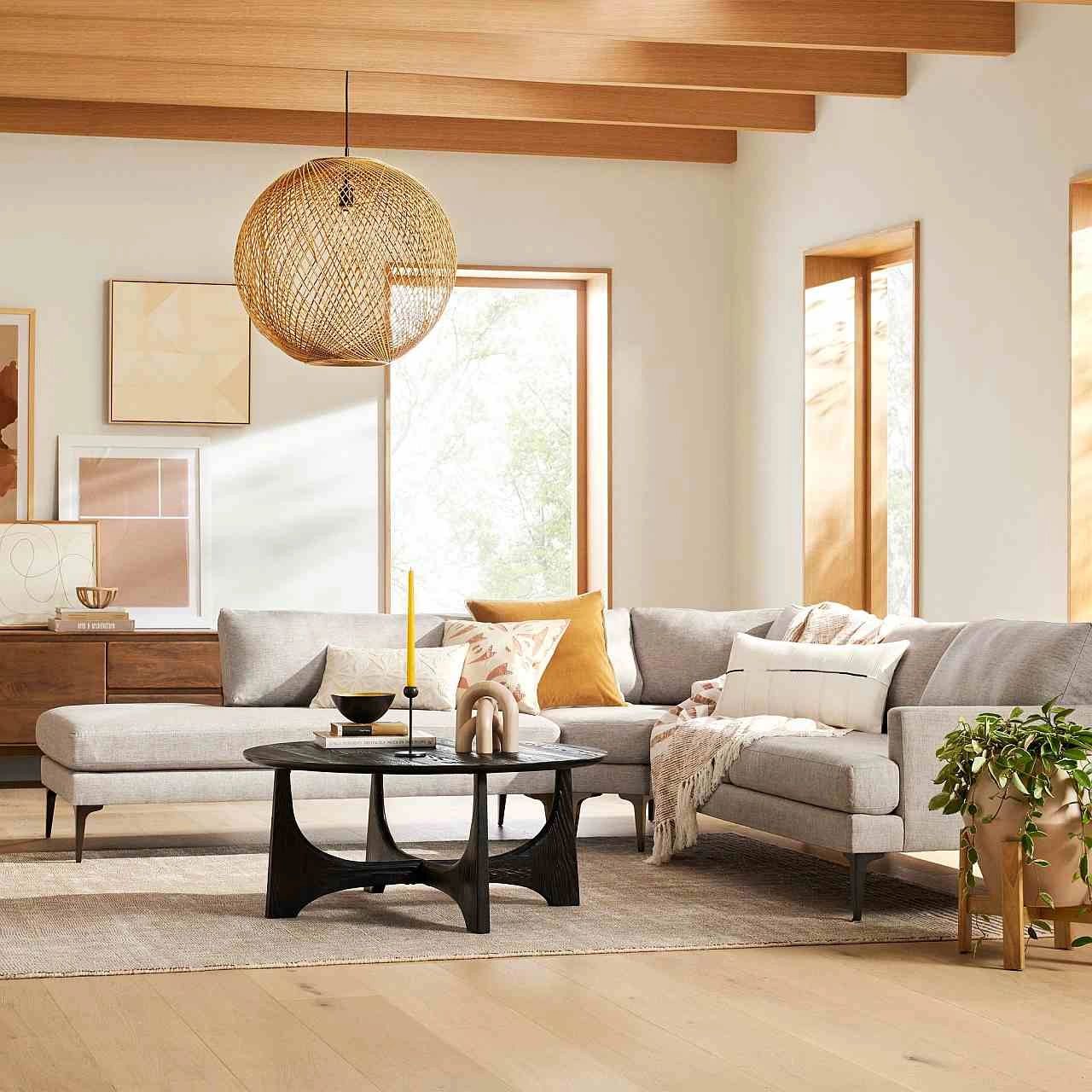
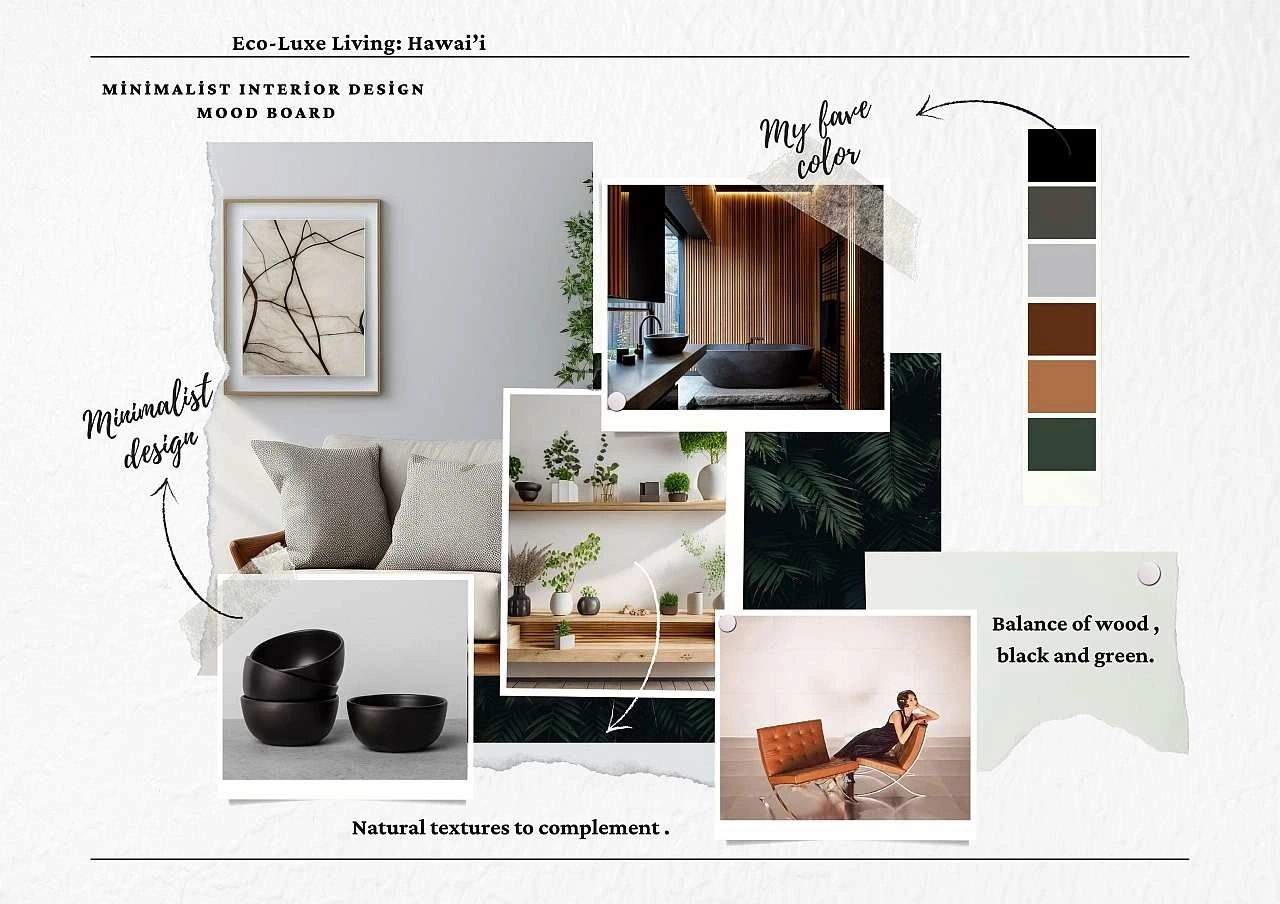
- Nature’s Embrace: Bringing the outdoors in is a major theme. Expect to see a surge in natural materials like wood, stone, and rattan. These elements add warmth and texture while staying true to minimalism’s core principles.
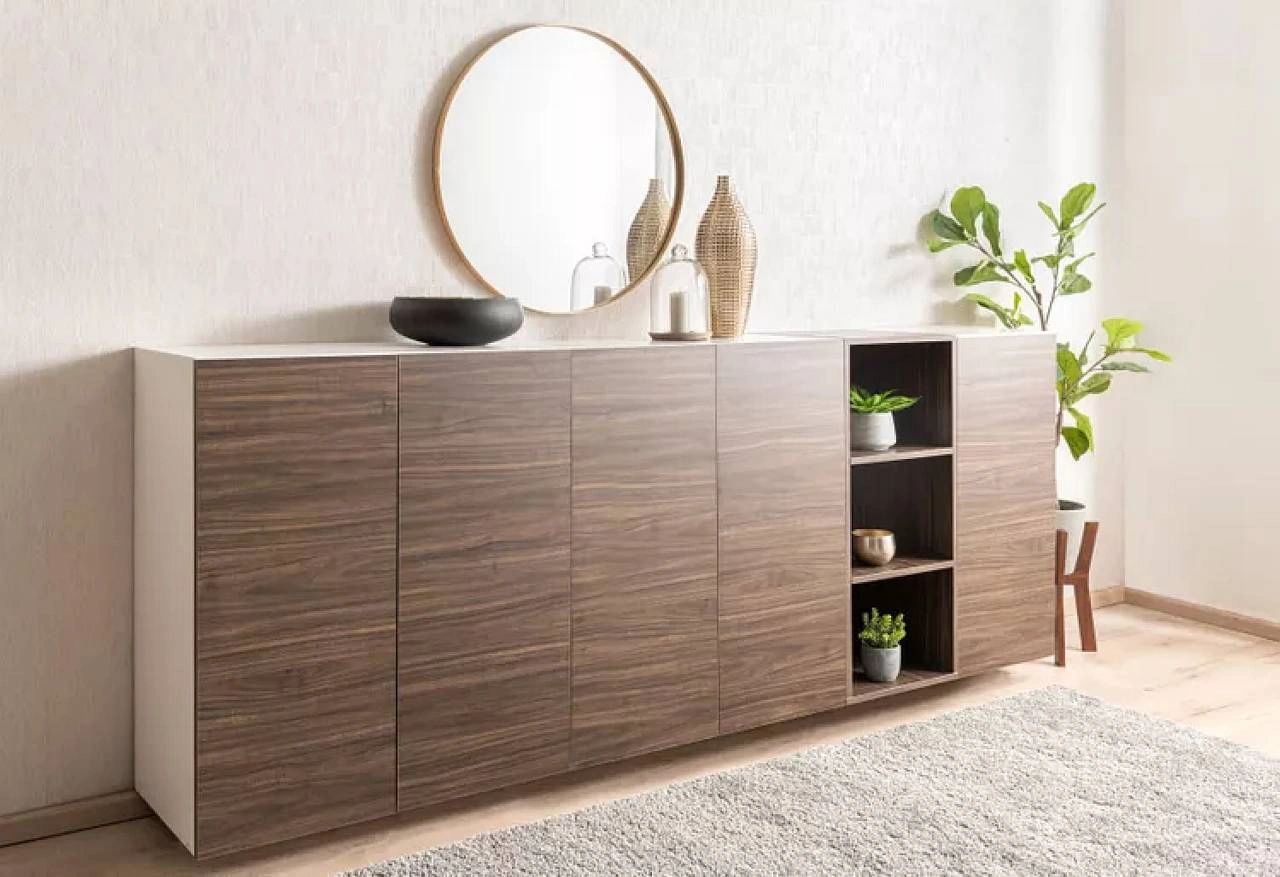
- Warm Neutrals: Minimalism is shedding its stark white reputation. This year, we’re embracing warmer neutrals like beige, taupe, and soft gray. These hues infuse spaces with coziness while maintaining that signature minimalist cleanness.
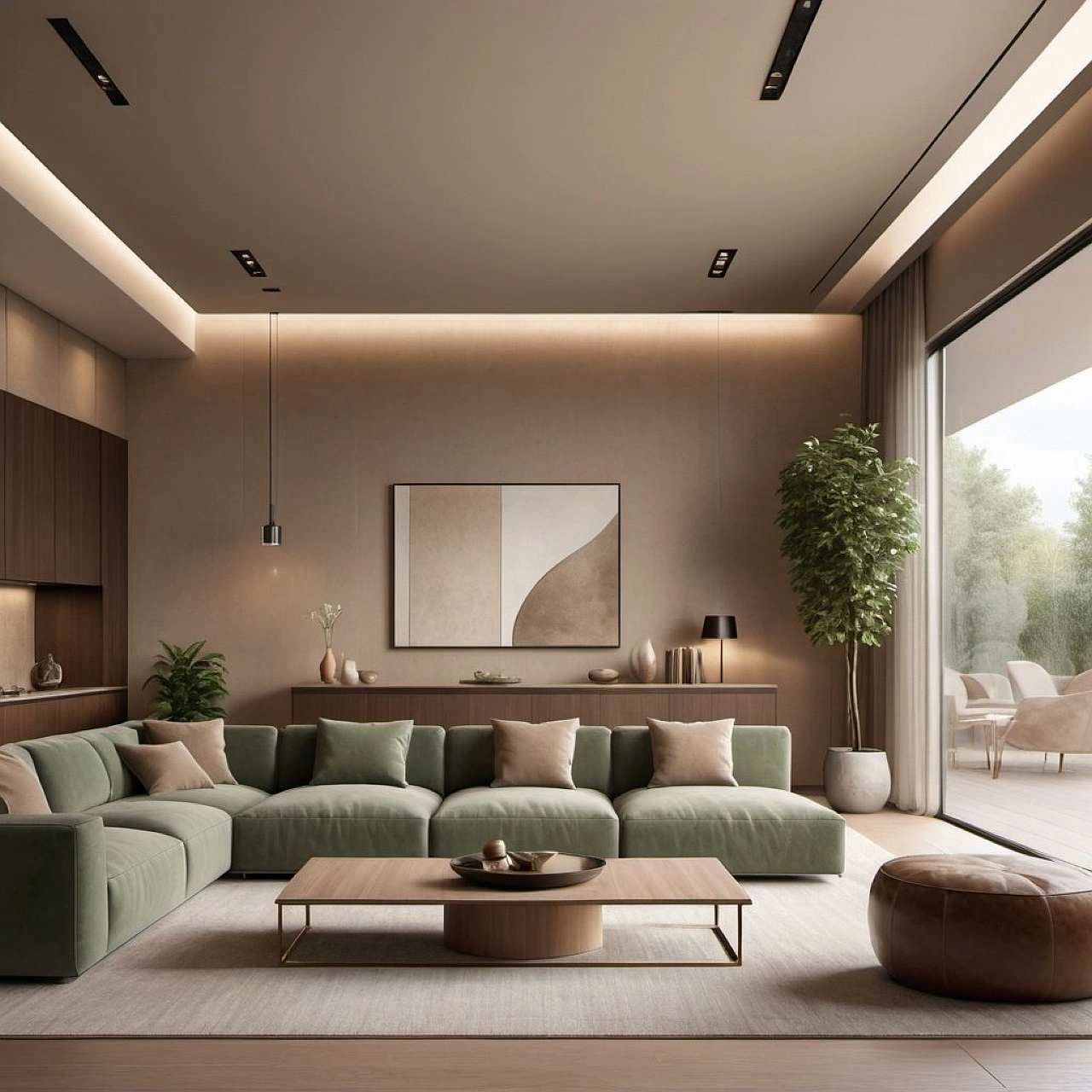
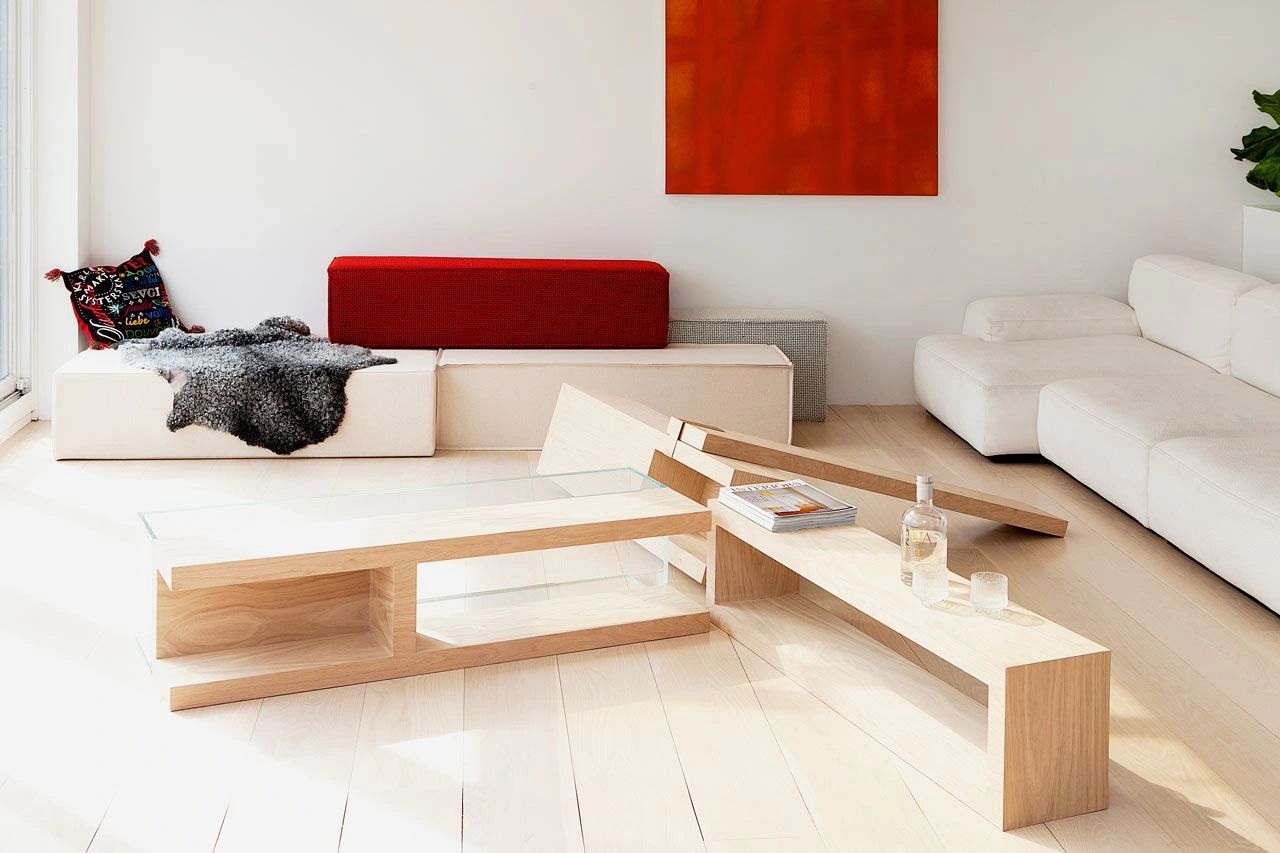
- Functional Furniture: Smart and stylish is the new mantra. Multi-functional furniture pieces are taking center stage. Think modular sofas that transform into beds, ottomans with hidden storage, and dining tables that extend to accommodate guests. These pieces maximize space without compromising on style.
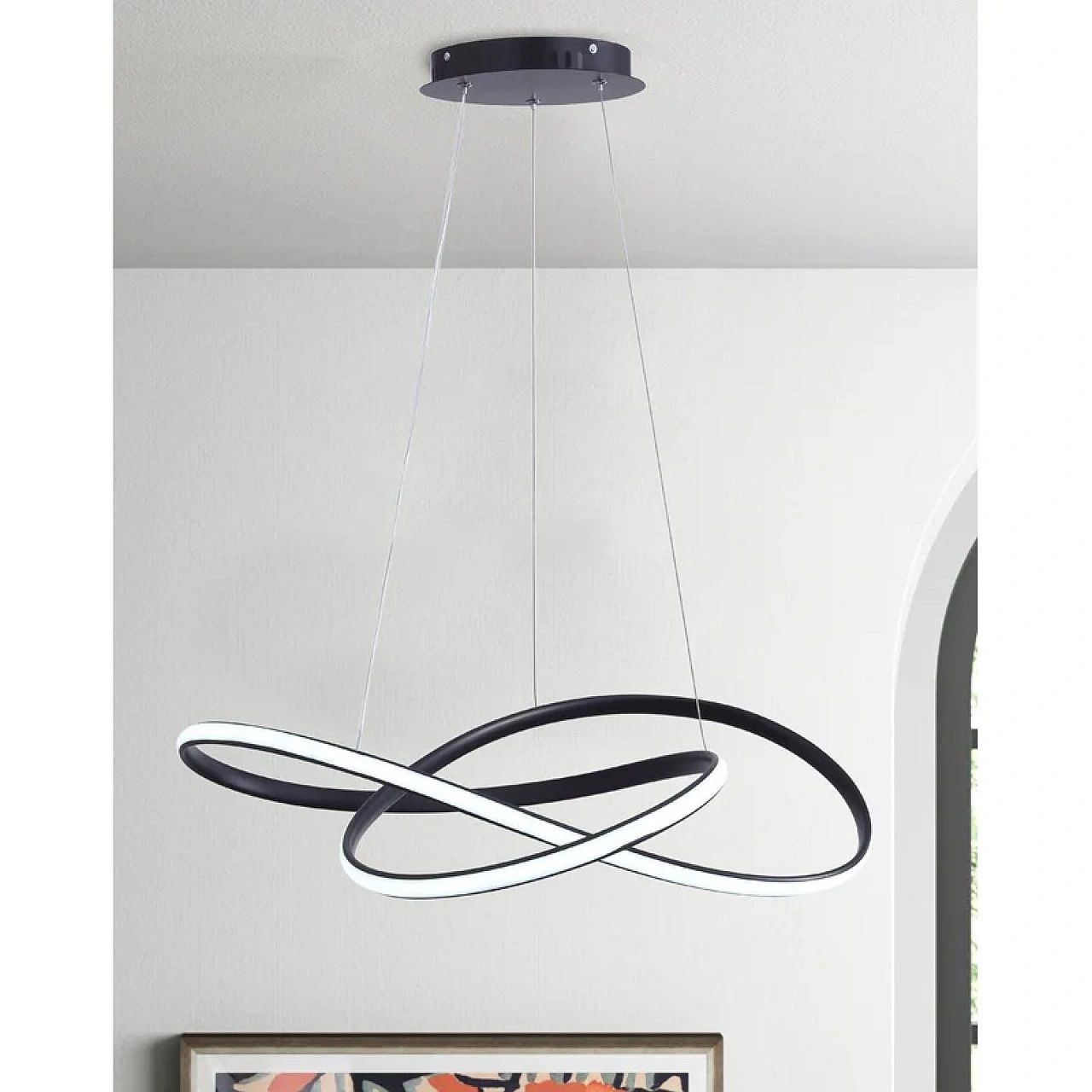
- Statement Lighting: Lighting is a key player in minimalist design. This year, we’re seeing a focus on statement lighting fixtures that are as much art as they are functional. Sleek pendants and sculptural floor lamps add a dramatic touch without overwhelming the space.
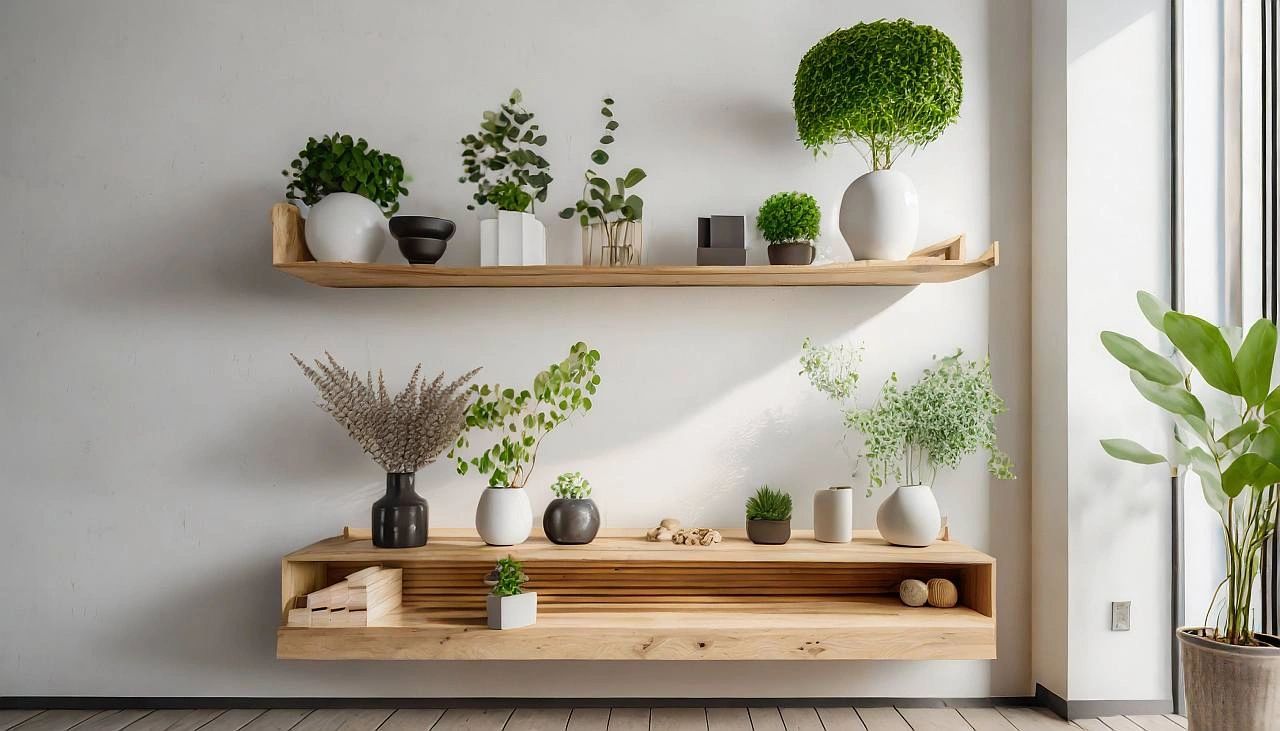
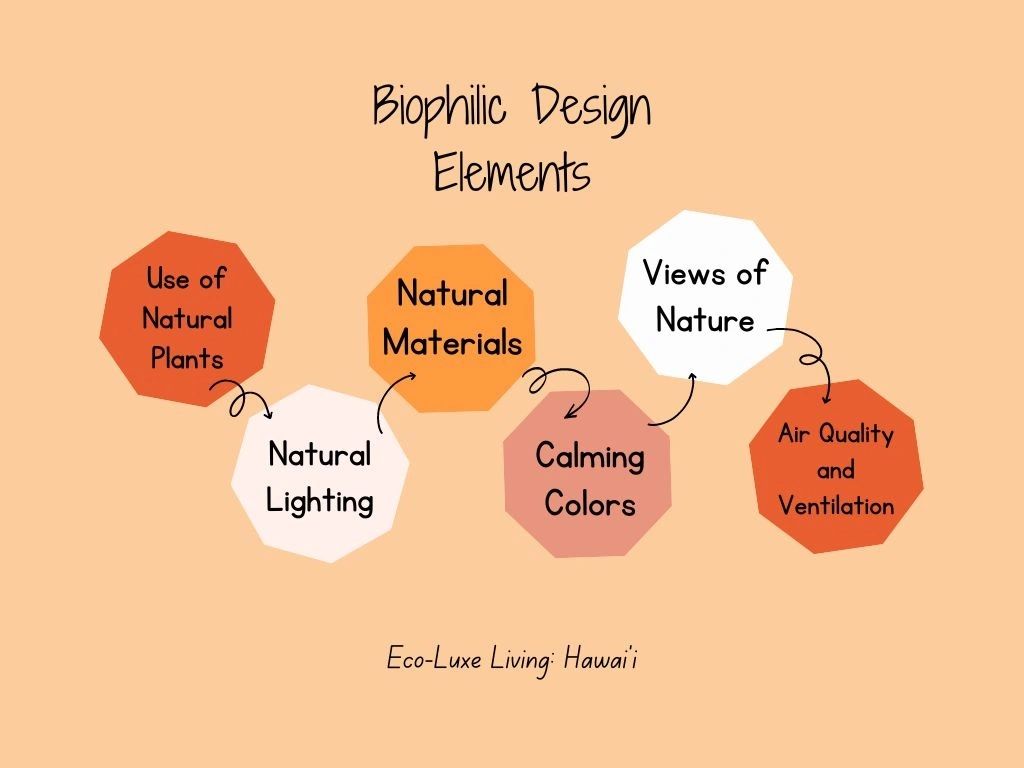
- Biophilic Bliss: Minimalism is embracing nature in a big way. Biophilic design principles are being integrated to create spaces that promote well-being. Think indoor plants, ample natural light, and design elements that connect you to the outdoors.
The Marie Kondo Effect: Decluttering and Minimalism
The rise of minimalism owes much to the decluttering movement spearheaded by Marie Kondo. Her book, The Life-Changing Magic of Tidying Up, and the subsequent Netflix series introduced millions to her revolutionary approach to organizing and simplifying their lives.
Kondo’s philosophy, centered on keeping only items that “spark joy,” has had a profound impact on global attitudes toward possessions and living spaces. By decluttering and surrounding ourselves with objects that truly bring happiness, we create not just a tidier home but a more serene and fulfilling life. Kondo’s work has undeniably contributed to the mainstream appeal of minimalism. Her work is a great inspiration for your minimalist interior design mood board!
The Wellness Benefits of Minimalism
Luxury minimalist interior design is more than just a design style; it’s a lifestyle choice with profound benefits for your well-being. By creating clean, uncluttered spaces, minimalism fosters a sense of calm and tranquility. Studies have shown that reducing visual clutter can significantly reduce stress and anxiety, allowing you to relax and recharge more effectively.
Beyond mental health, minimalism encourages mindful consumption. Carefully considering each item you bring into your home can lead to a more sustainable lifestyle and a deeper appreciation for your possessions. It’s about quality over quantity, and ultimately, a happier, healthier you.
Pro Tip: It’s easy to create a minimalist interior design mood board with Canva for free — they have over 20,000 free templates to get your inspiration flowing!
Conclusion
Minimalism isn’t just a trend; it’s a timeless philosophy that continues to resonate in 2025. By prioritizing simplicity, functionality, and beauty, this design style offers a refreshing escape from the chaos of modern life. With its roots in art history and a contemporary boost from figures like Marie Kondo, minimalism has evolved into a lifestyle choice that promotes well-being and sustainability.
Ready to embark on your minimalist journey? Start by decluttering, incorporating natural elements, and choosing furniture that serves both form and function. Add ideas to your minimalist interior design mood board, and get ready to create your serene sanctuary piece by piece, little by little! It doesn’t have to happen overnight! Check out more of our blog posts about modern, minimalist interior design ideas.
For even more inspiration and practical tips on budget-friendly and eco-friendly home renovations, explore our Home Renovation Blog. Mahalo for joining us at Eco-Luxe Living: Hawai’i!