Are you overwhelmed by clutter? This comprehensive “Declutter Your Home Checklist” will guide you through decluttering your home step-by-step, helping you create a more organized and peaceful living space. Discover tips on decluttering different areas, organizing belongings, and maintaining a clutter-free lifestyle.
Introduction: Declutter Your Home
A cluttered home can contribute to stress, anxiety, and a lack of focus. By decluttering your living space, you can create a more peaceful and organized environment that promotes well-being.
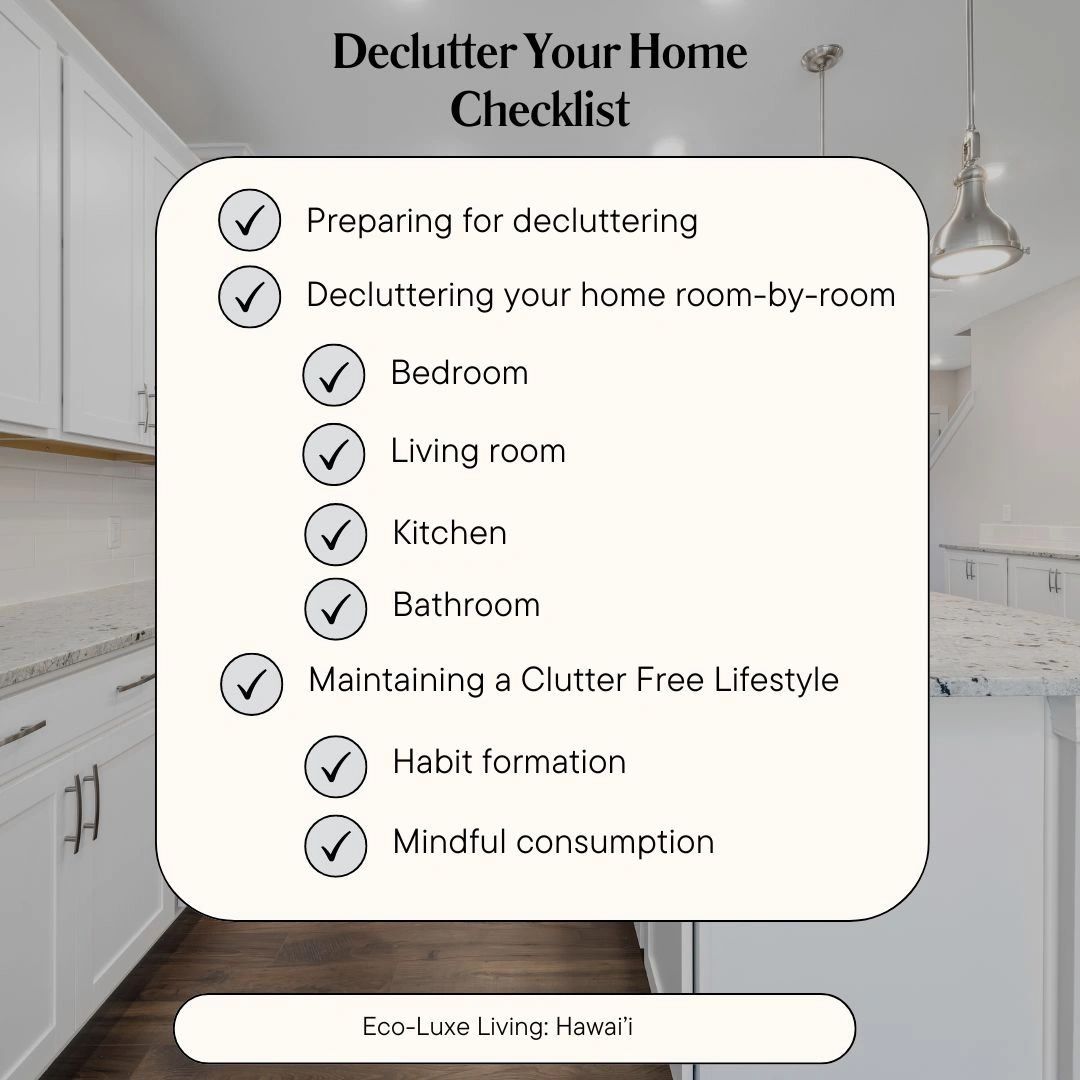
The benefits of decluttering are numerous:
- Reduced stress: A cluttered environment can be visually overwhelming and contribute to feelings of stress and anxiety. Decluttering can help create a sense of calm and order.
- Increased productivity: When your surroundings are organized, you’re less likely to feel distracted or overwhelmed. This can lead to increased focus and productivity.
- Improved mental clarity: Decluttering can help clear mental clutter as well. You can create a clearer and more focused mind by removing physical clutter.
A systematic approach to decluttering is essential for success. Instead of tackling the entire house at once, focus on one room or area at a time. This will help you stay organized and motivated throughout the process.
Checklist Step 1: Preparing for Decluttering Your Home
Mindset
Decluttering can be an emotional process, as it often involves letting go of items with sentimental value. It’s important to approach this task with a positive mindset.
- Acknowledge your emotions: It’s okay to feel sentimental or hesitant about letting go of certain items. Acknowledge your emotions and try to understand why you’re holding onto them.
- Focus on the benefits: Remind yourself of the positive outcomes of decluttering, such as reduced stress, increased productivity, and a more organized living space.
- Set realistic goals: Break down the decluttering process into smaller, manageable tasks to avoid feeling overwhelmed.
Gather Supplies
Having the right tools and supplies will make the decluttering process more efficient. Here’s a list of essentials:
- Boxes: Use different colored boxes to categorize items for donation, sale, or disposal.
- Trash bags: Have plenty of trash bags on hand for items you want to discard.
- Cleaning supplies: You may need to clean surfaces and furniture after decluttering.
- Markers: Use markers to label boxes and bags.
- Timer: Set a timer to keep yourself focused and avoid getting sidetracked.
Checklist Step 2: Decluttering Your Home Room by Room
Bedroom Declutter
- Clothes:
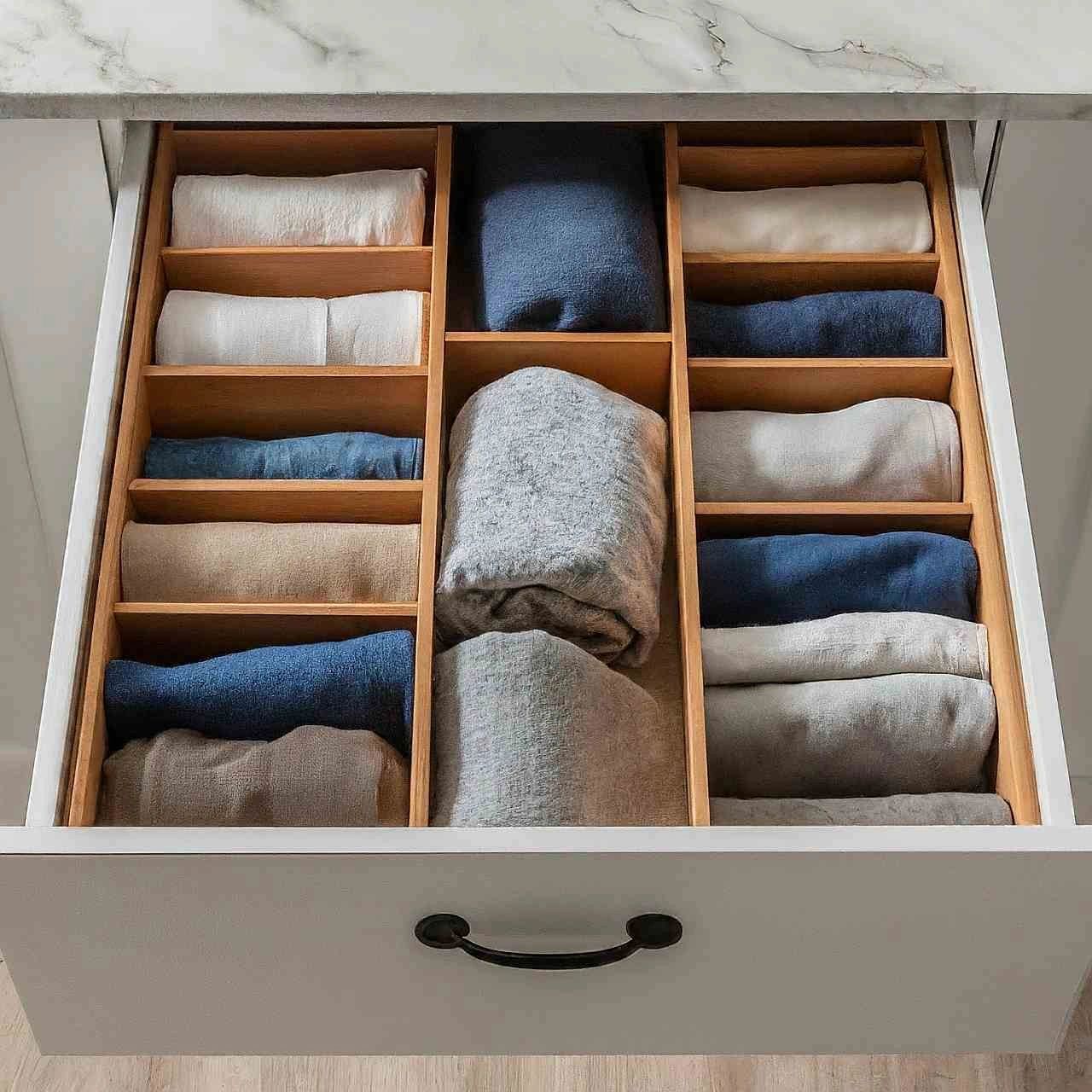
- Sort by category: Divide your clothing into categories such as tops, bottoms, dresses, and outerwear. Invest in organizational systems such as drawer dividers, closet organizers, and storage bins to keep clutter at bay. Labeling containers and shelves can also help maintain order and streamline daily routines.
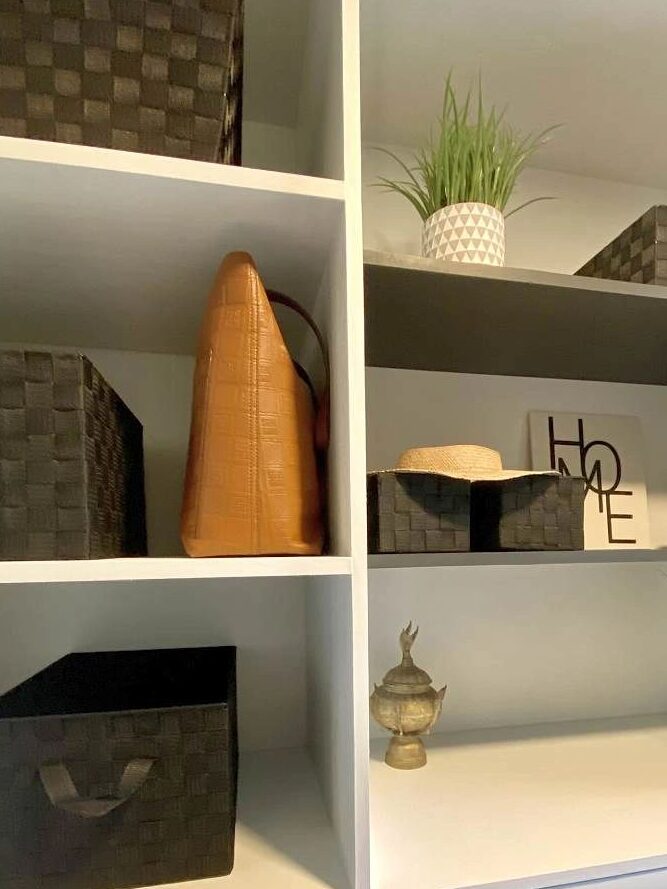
- Try everything on: This will help you identify items that no longer fit or that you don’t wear anymore.
- Donate or sell: Donate clothing in good condition to charity or sell items online or at a consignment shop.
- Bedding:
- Minimize pillows and blankets: Keep only the necessary bedding to avoid clutter.
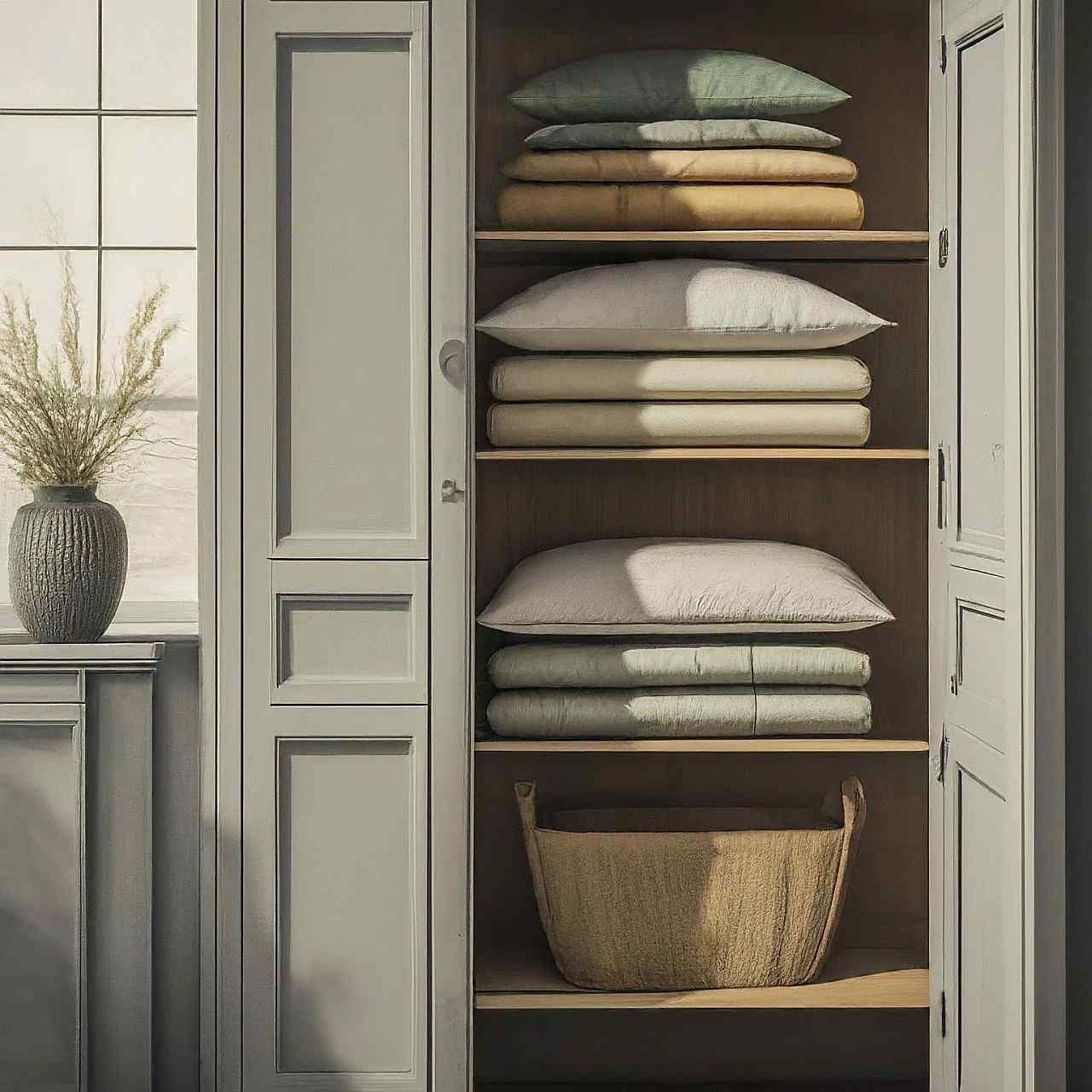
- Store off-season items: Store seasonal bedding in a vacuum-sealed bag or under the bed.
- Nightstand and dresser:
- Empty drawers: Remove everything from your drawers and dresser.
- Sort and discard: Keep only essential items and discard anything that is broken or expired.
- Organize drawers: Use drawer dividers or organizers to keep items tidy.
Living Room Declutter
- Furniture:
- Evaluate functionality: Determine if each piece of furniture serves a purpose and is used regularly. Invest in furniture with built-in storage, such as ottomans with hidden compartments. You can also repurpose old crates or baskets to store items discreetly.
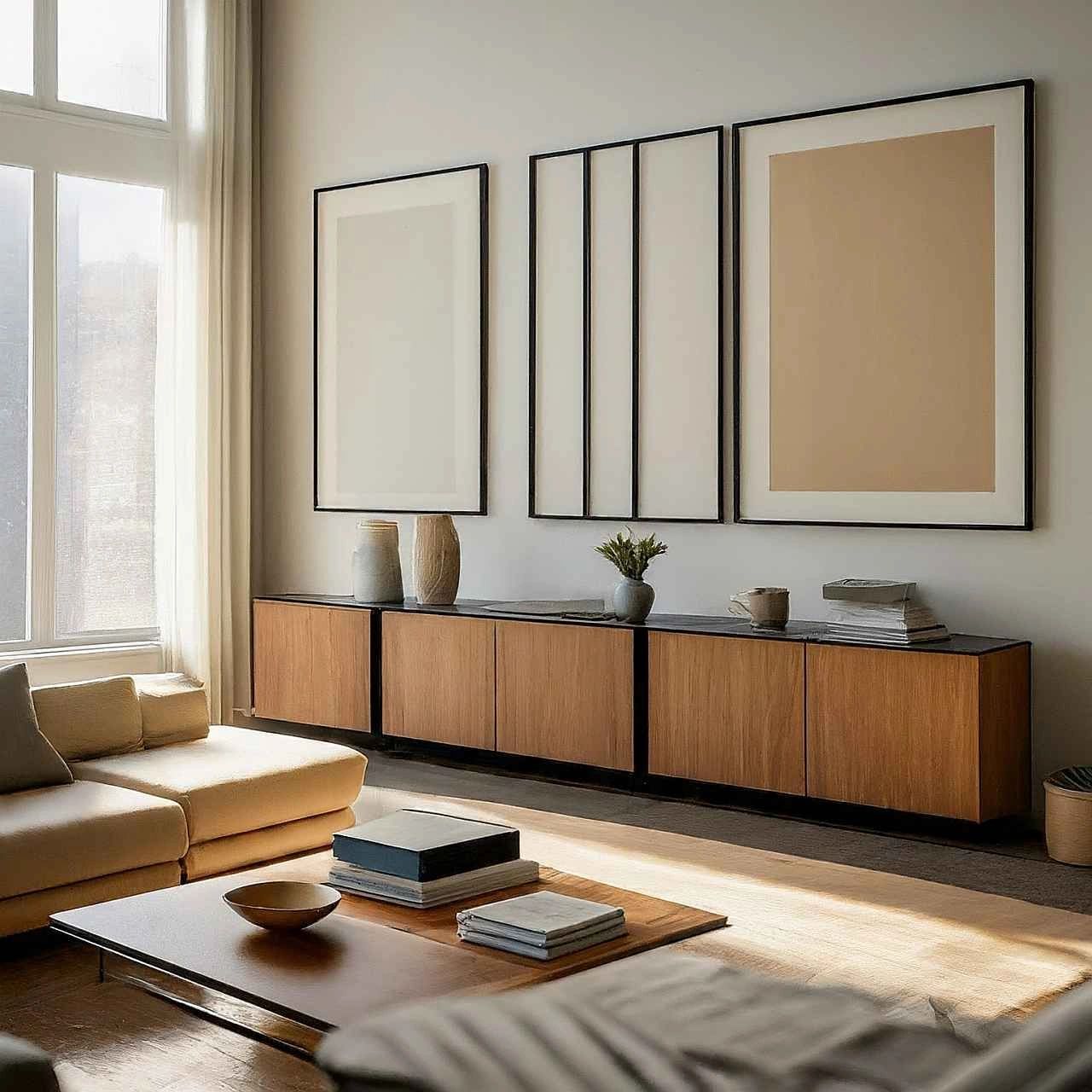
- Consider downsizing: If you have excess furniture, consider selling or donating it.
- Electronics:
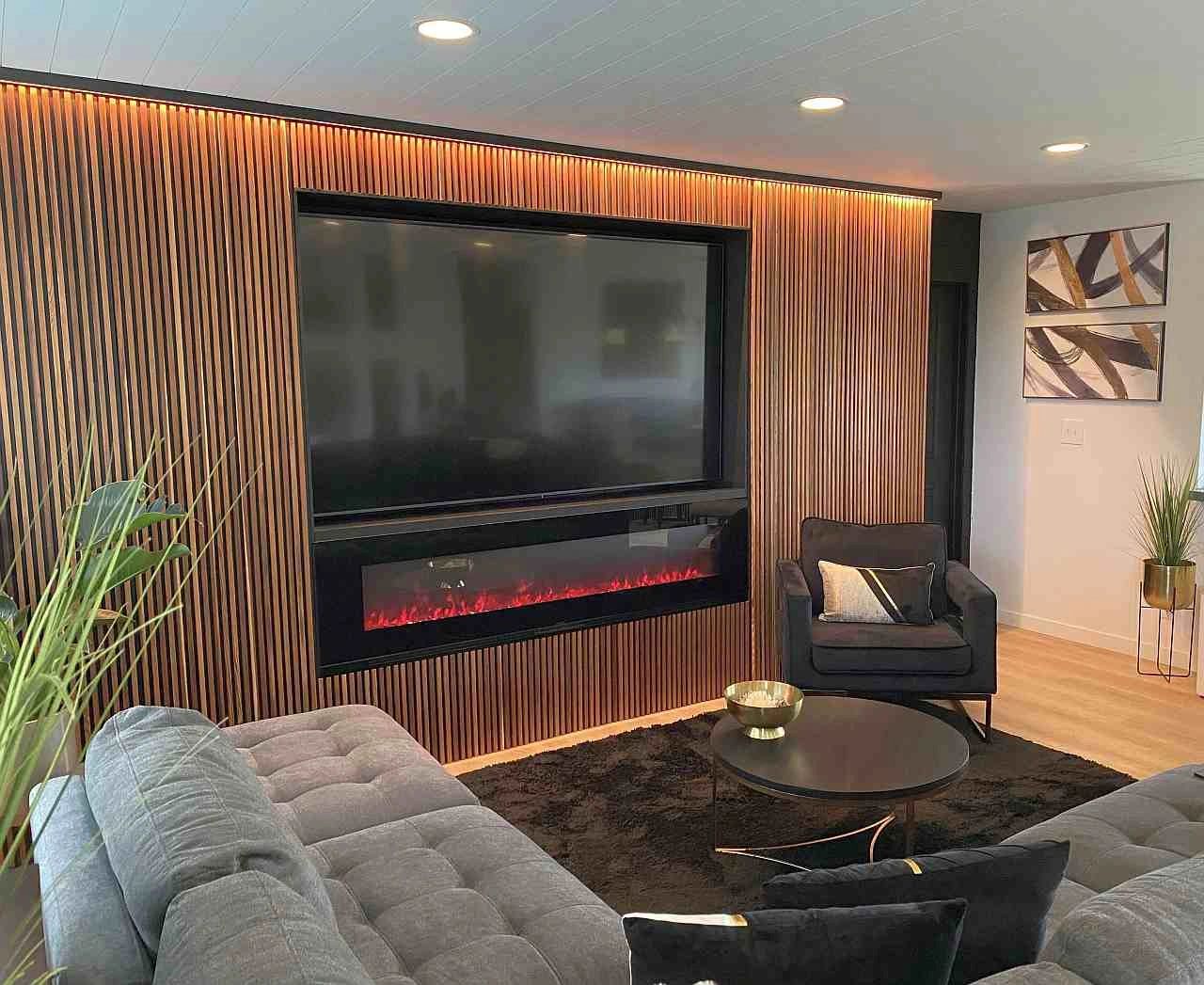
- Organize cords and cables: Use cable ties or organizers to keep cords and cables tidy.
- Hide electronics: If possible, hide electronics or cables behind furniture or in closed cabinets.
- Home Decor:
- Curate your collection: Keep only the decor items that you truly love and that complement your home’s style.
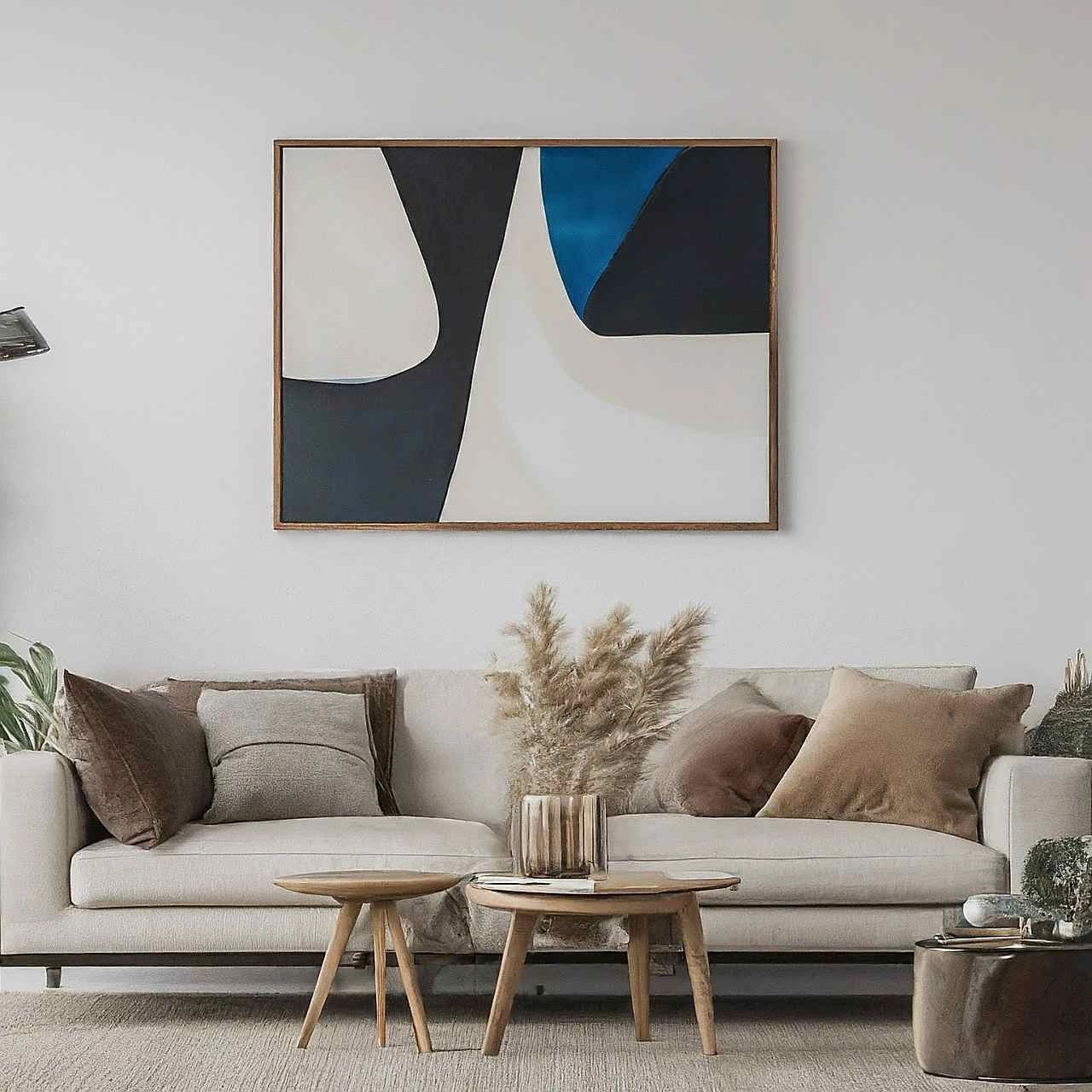
- Declutter unnecessary items: Donate or sell items that you no longer enjoy or that are taking up space.
Kitchen Declutter
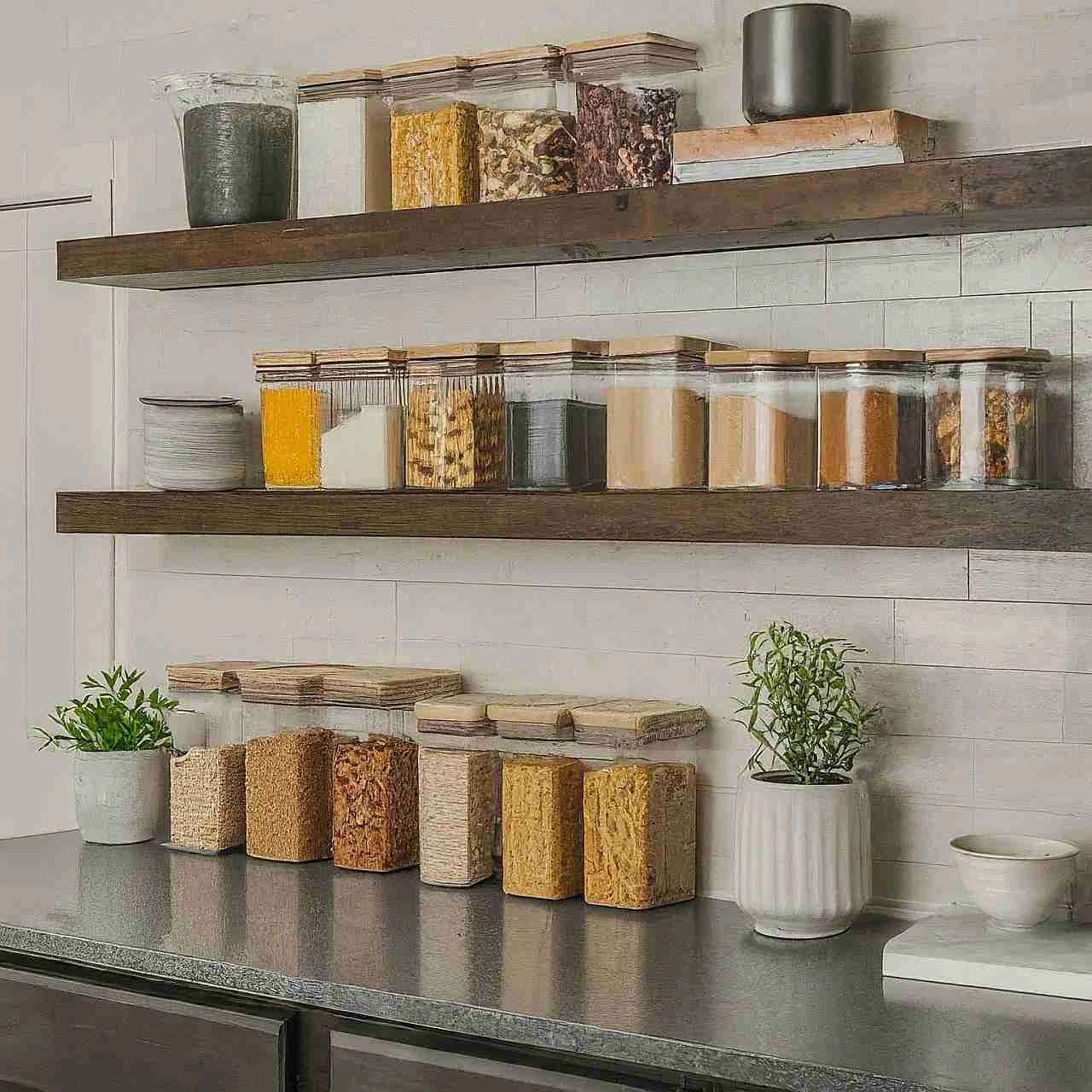
- Pantry:
- Sort through food items: Check expiration dates and discard any expired food.
- Organize by category: Group similar items together, such as canned goods, dry goods, and snacks.
- Appliances:
- Assess the need: Determine if each appliance is used regularly and is in good working condition.
- Donate unused ones: Donate unused appliances to a local charity or thrift store.
- Countertops:
- Clear clutter: Remove all unnecessary items from your countertops.
- Organize kitchen tools: Store kitchen tools in a drawer organizer or on a magnetic strip.
Bathroom
- Products:
- Declutter expired or unused toiletries: Discard any products that are expired or that you no longer use.
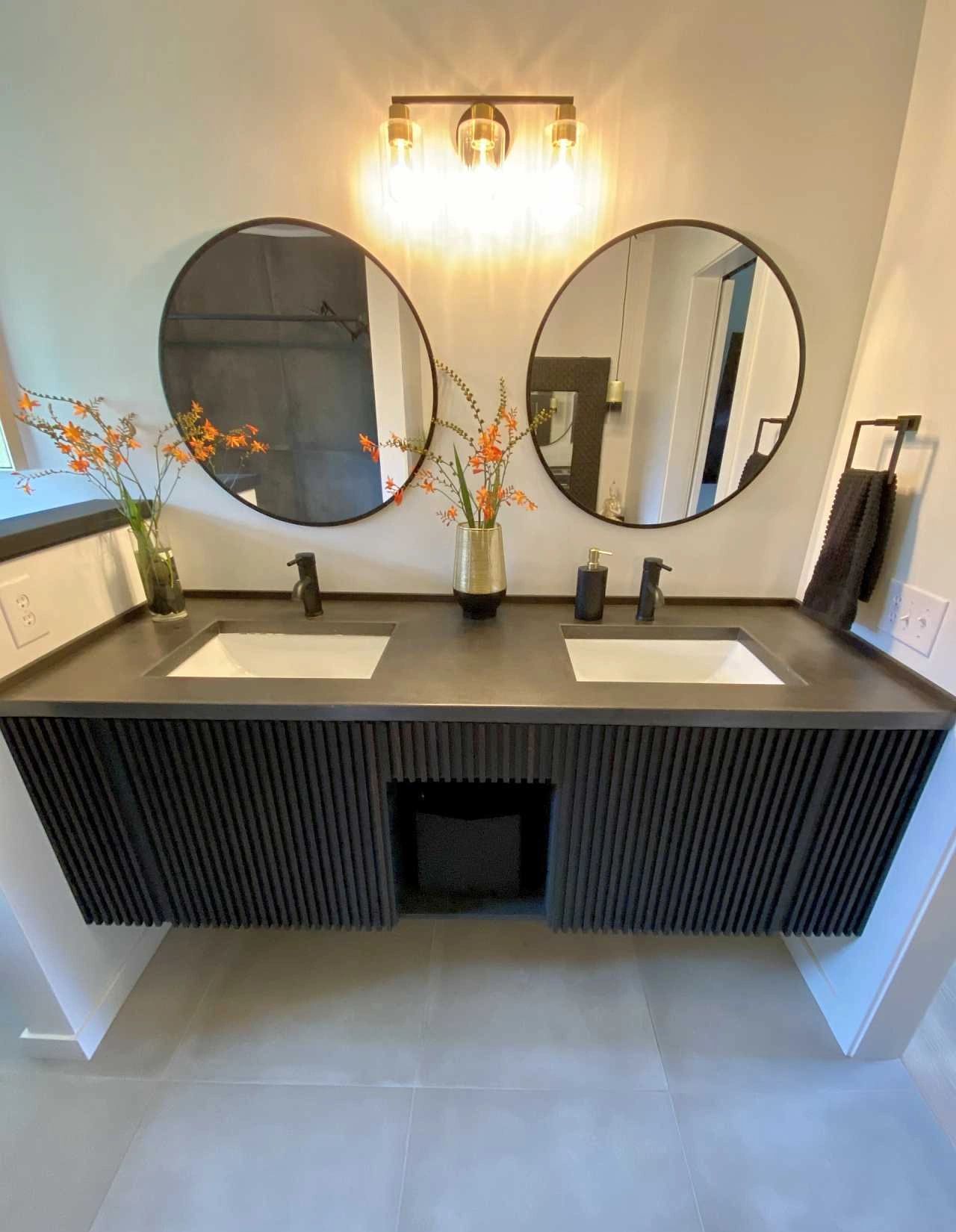
- Keep essentials: Keep only the essential toiletries on your bathroom counter.
- Storage:
- Optimize storage space: Use shelves, drawers, and organizers to maximize storage space in your bathroom cabinets and drawers.
Other Areas
- Entryway:
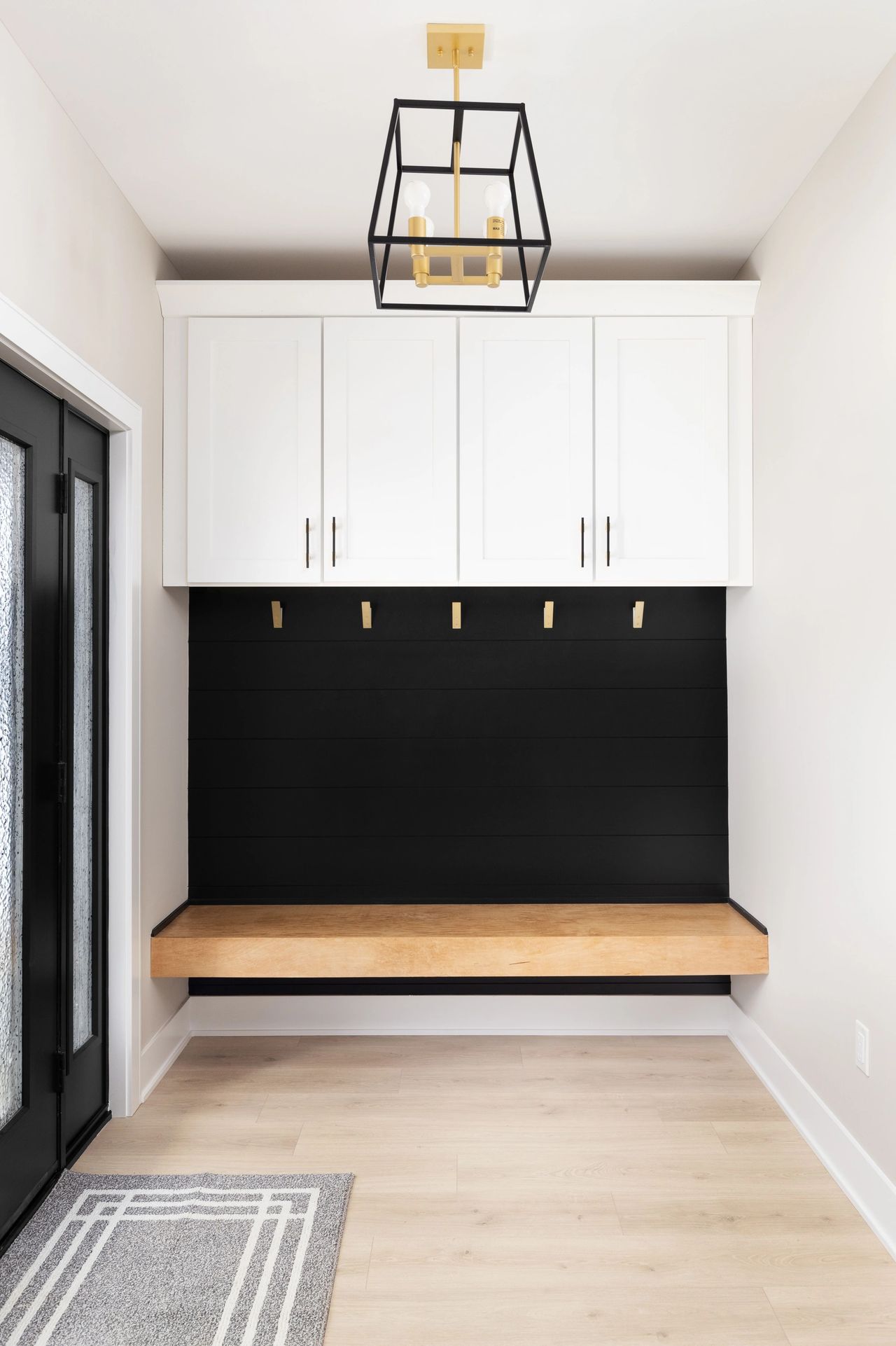
- Organize: Create a welcoming entryway by decluttering shoes, coats, and bags. Install hooks or a coat rack for easy organization and consider adding a stylish bench or console table for a polished look.
- Garage:
- Organize tools and equipment: Use shelves, hooks, and bins to store tools and equipment.
- Remove unused items: Donate or sell any tools or equipment that you no longer need.
- Home office:
- Streamline paperwork: Scan documents and store them digitally.
- Organize digital files: Create a system for organizing your digital files.
- Storage areas:
- Sort through items: Go through all of your stored items and decide what to keep, donate, or discard.
- Donate or discard unnecessary belongings: Get rid of items that you no longer need or use.
Checklist Step 3: Maintaining a Clutter-Free Lifestyle at Home
Habit Formation
Developing daily habits can help prevent clutter from building up over time.
- One-in, one-out rule: For every new item you bring into your home, get rid of an old one. This is one of my favorite rules!
- Daily tidying: Spend a few minutes each day tidying up your home to keep clutter at bay.
- Put things back in their place: After using an item, return it to its designated spot.
Digital Decluttering
Digital clutter can accumulate just as quickly as physical clutter.
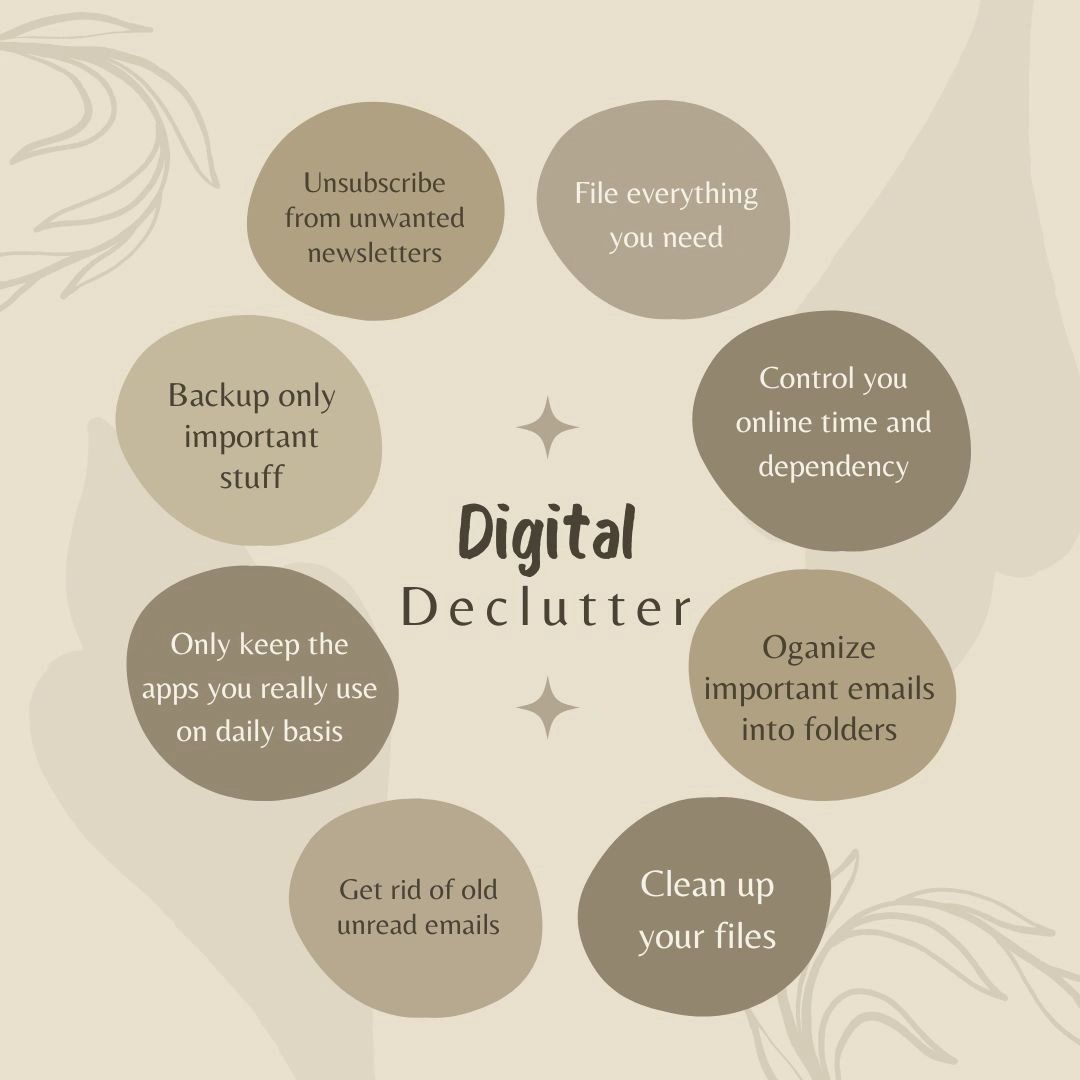
- Organize your files: Create a system for organizing your digital files, such as using folders and subfolders.
- Unsubscribe from unwanted emails: Unsubscribe from email lists that you no longer find useful.
- Curate your social media feeds: Unfollow or mute accounts that contribute to clutter in your digital life.
Mindful Consumption
- Consider your needs: Before making a purchase, ask yourself if you truly need the item and if it will add value to your life.
- Shop with intention: Avoid impulse purchases and focus on buying items that you will use and appreciate.
Declutter Your Home Checklist for Regular Maintenance
Schedule regular decluttering sessions to prevent clutter from accumulating.
- Weekly decluttering: Set aside a few minutes each week to declutter specific areas of your home.
- Seasonal decluttering: Declutter your home seasonally to refresh your living space and get rid of items that are no longer needed.
- Deep cleaning: Schedule deep cleaning sessions to declutter and organize your home thoroughly.
Conclusion
Decluttering your home can have a profound impact on your overall well-being. By following the steps outlined in this Declutter Your Home Checklist, you can create a more organized, peaceful, and stress-free living space.
Key takeaways from this blog include:
- The importance of a positive mindset when decluttering
- The benefits of a systematic approach to decluttering
- The importance of habit formation for maintaining a clutter-free lifestyle
- The impact of digital decluttering on overall well-being
- The importance of mindful consumption
Remember, a clutter-free home is not just about aesthetics; it’s about creating a space that supports your mental and emotional health. By taking action and starting your decluttering journey, you can experience the many benefits of a more organized and peaceful living environment.
Here’s to happy home decluttering!
As always, mahalo for joining us for this week’s Home Renovation Blog at Eco-Luxe Living: Hawai’i. Let us know your thoughts – we’d love to hear from you! Be sure to subscribe to our weekly home blogs for more eco-friendly and budget-friendly tips and tricks.


Additional Resources to Declutter Your Home (and Life!):
- The Minimalists: A popular duo dedicated to minimalism and simplifying life.
- Marie Kondo: Author of the best-selling book “The Life-Changing Magic of Tidying Up” and creator of the KonMari Method.
- Spark Joy: Marie Kondo’s book that outlines her decluttering method.
- Declutter Your Home Checklist: A comprehensive guide to decluttering your home.
- Declutter Your Digital Life: Tips for decluttering your digital life.
- Decluttering Tips for Beginners: A guide for those new to decluttering.
- Declutter Your Home Fast: Tips for quick and effective decluttering.
- Declutter Your Home Naturally: Tips for decluttering your home using natural methods.
- Declutter Your Home with Kids: Tips for decluttering your home when you have children.
- Declutter Your Home on a Budget: Tips for decluttering your home without spending a lot of money.
These resources can provide additional tips, inspiration, and support as you embark on your decluttering journey.