
Discover how layering natural textures and materials creates warmth, depth, and timeless beauty in modern minimalist home design.
Introduction: The Evolution of Minimalism
Minimalism has been the go-to design style for years, defined by clean lines, neutral colors, and uncluttered spaces. But lately, homeowners are craving something more livable — spaces that feel warm, tactile, and deeply personal. That’s where “texture over minimalism” comes in. Instead of stripping everything down to stark basics, this new minimalism uses layered materials, natural finishes, and tactile contrasts to add richness without clutter.
Why Texture Is Replacing “Cold” Minimalism
While the sleek, pared-down look was once refreshing, many found it could feel sterile or even uninviting. Layering texture solves this problem by keeping minimalism’s simplicity and calm, but adding visual depth and comfort. Think of it as minimalism with personality.
Texture offers:
- Warmth: wood grains, woven fibers, and plaster walls instantly soften a space.
- Depth: layering prevents spaces from feeling flat or one-note.
- Connection to nature: organic materials bring the outside in.

How to Layer Materials in a Minimalist Space
The key to mastering texture in minimalism is restraint. Instead of adding clutter, you strategically layer a few high-impact materials. Here are the top approaches:
- Mix Natural Elements: Pair wood with stone, linen with wool, clay with glass.
- Play with Matte vs. Gloss: A matte plaster wall against glossy ceramic tiles creates subtle drama.
- Add Textiles: Throws, cushions, and rugs are the easiest way to layer without overwhelming.
- Embrace Imperfection: Wabi-sabi principles — raw edges, handcrafted ceramics, uneven finishes — add authenticity.

Top Materials for a Textured Minimalist Home
Certain materials work especially well for creating texture in minimalist spaces:
- Wood (oak, walnut, reclaimed) – adds warmth and grounding.
- Natural stone (travertine, slate, marble) – organic elegance.
- Plaster or limewash walls – matte depth without color overload.
- Linen & cotton textiles – breathable, soft, timeless.
- Clay, terracotta, and ceramics – artisanal touches with earth tones.
- Wool or jute rugs – tactile foundation underfoot.

Styling Tips: Keeping It Minimal but Layered
Balancing minimalism and texture is about editing smartly. A few pro tips:
- Stick to a neutral palette (beige, cream, taupe, soft gray) and let texture do the talking.
- Invest in fewer, better pieces made of real, natural materials.
- Limit each room to 3–4 core textures for harmony.
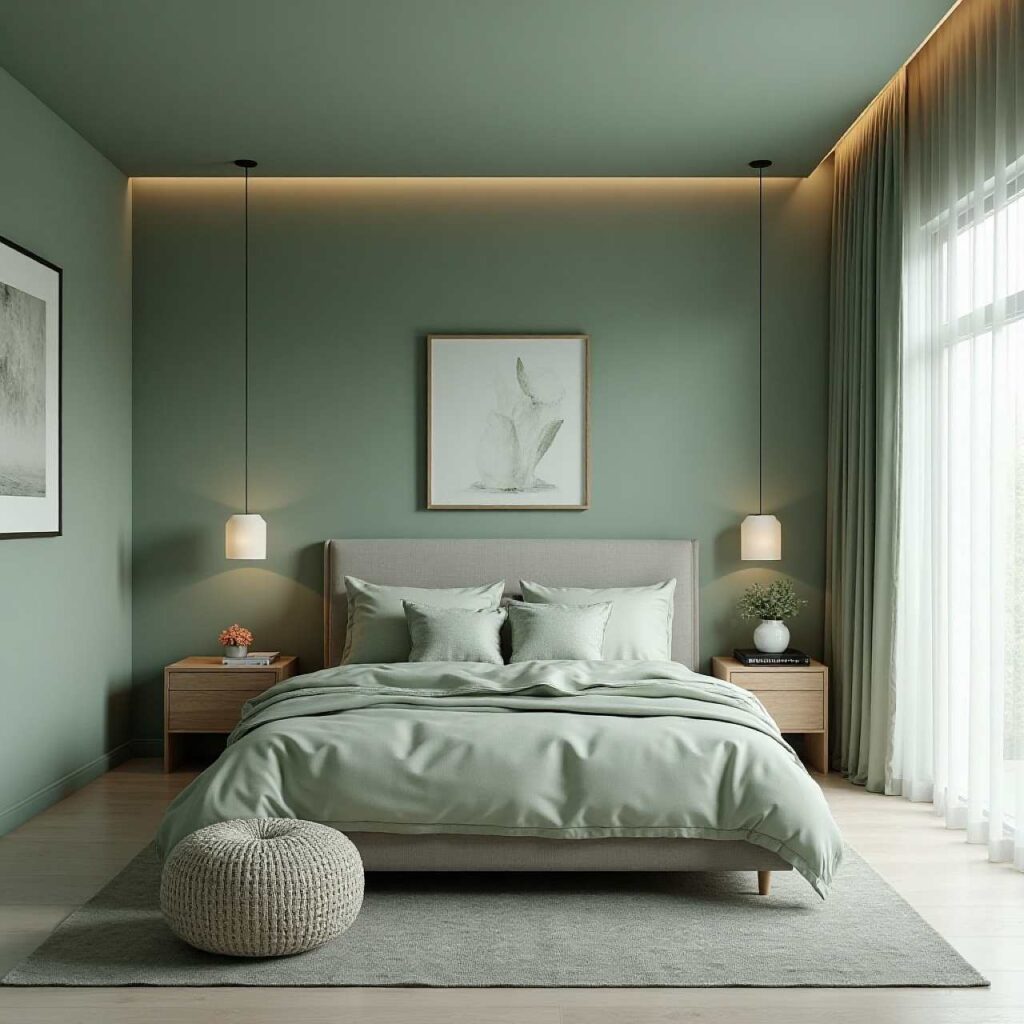
- Highlight texture with lighting — wall sconces, soft uplighting, and natural sunlight.
Why This Trend Is Here to Stay
Unlike flashy design fads, layering texture in minimalist spaces taps into timeless design principles: simplicity, sustainability, and connection to nature. As people move toward conscious living and long-lasting design choices, texture over minimalism feels less like a trend and more like the future of modern interiors.

Conclusion: A Minimalism You Can Live In
Minimalism doesn’t have to mean bare, cold, or uninviting. By layering textures, materials, and natural elements, you can create spaces that feel both uncluttered and deeply personal. This “new minimalism” embraces warmth, imperfection, and comfort — a home design approach that truly works for modern living.

As always, mahalo for joining us for this week’s home renovation blog! Be sure to check out all of our blog posts for more great tips and tricks to make your a modern oasis.


Resources and Inspiration
Looking to dive deeper into textured minimalism and warm minimalist home design? Here are some helpful resources to explore:
- Architectural Digest on warm minimalism interiors – inspiration for cozy, texture-rich minimalist spaces.
- Dezeen’s guide to modern minimalist homes – case studies showing how layering materials creates depth and warmth.
- Portola Paints limewash finishes – learn how to achieve textured walls with plaster and limewash.
- Houzz textured minimalism design boards – browse real-life spaces styled with layered natural materials.
- Etsy’s collection of handmade ceramics and woven textures – artisan pieces that bring Wabi-sabi character into your home.
Eco-Luxe Living: Hawai’i Blog Posts:
Eco-friendly renovation products