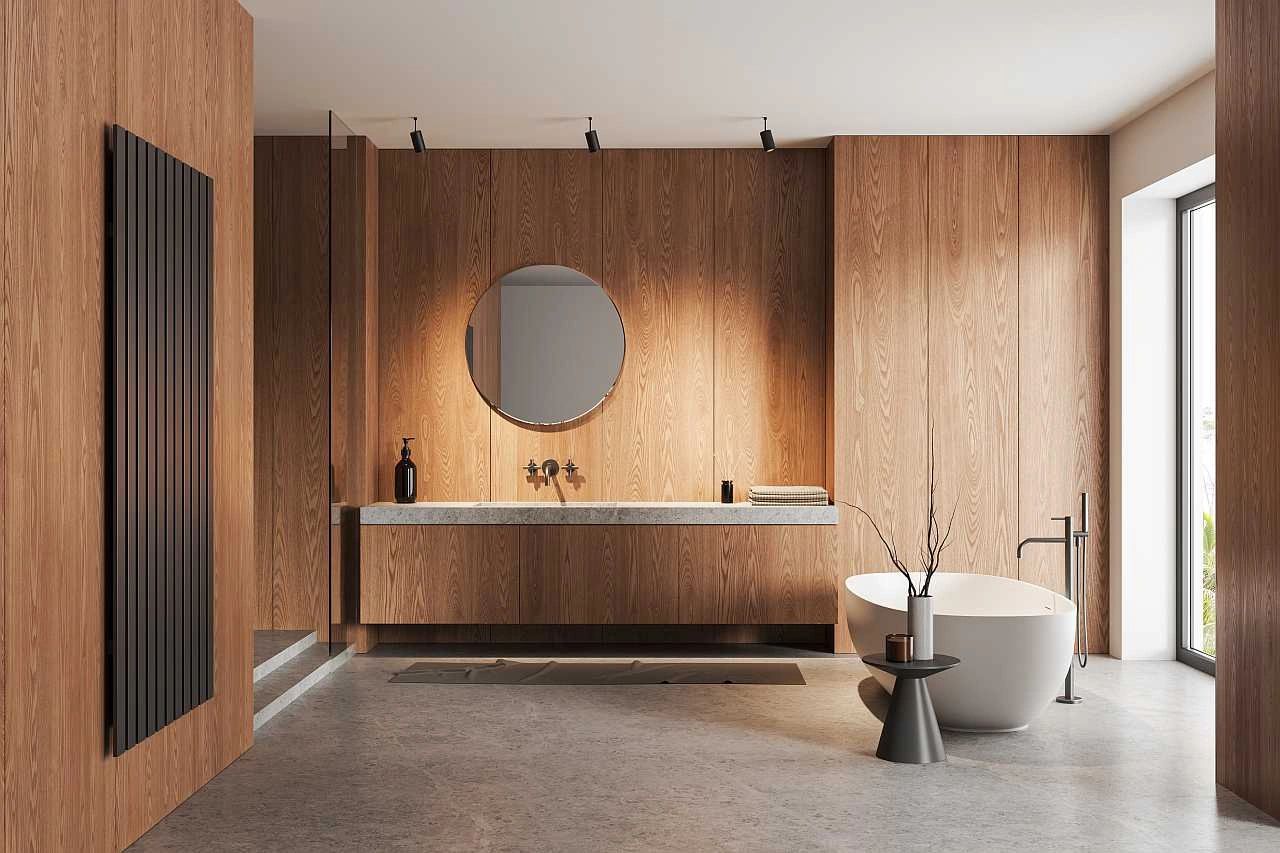
Discover the calming appeal of soft minimalism—a 2025 home trend that blends simplicity, warmth, and natural textures for serene, clutter-free living.
In 2025, soft minimalism is emerging as a leading design trend, offering a balanced approach to modern living that’s both stylish and soothing. Unlike traditional minimalism—which often feels cold, clinical, and overly stark—soft minimalism embraces warmth, texture, and subtle personality. It also stands in contrast to maximalism, which leans into bold colors, layered decor, and expressive abundance. Instead, soft minimalism finds its sweet spot with neutral tones, natural materials, and thoughtfully curated spaces that feel lived-in without feeling cluttered. As people continue to prioritize wellness, sustainability, and emotional comfort in their homes, this trend resonates as a calming, conscious way to design spaces that truly feel like a retreat!
Soft Minimalism: Where Calm Meets Character
Soft minimalism is a design philosophy that combines the clean, uncluttered appeal of minimalism with the warmth and texture of more lived-in styles. At its core, it’s about simplicity with soul—spaces that feel calm, but never cold. Every element serves a purpose, marrying functional beauty with emotional comfort. Instead of focusing on excess or trends, soft minimalism encourages purposeful design, where fewer, well-chosen pieces tell a richer story.
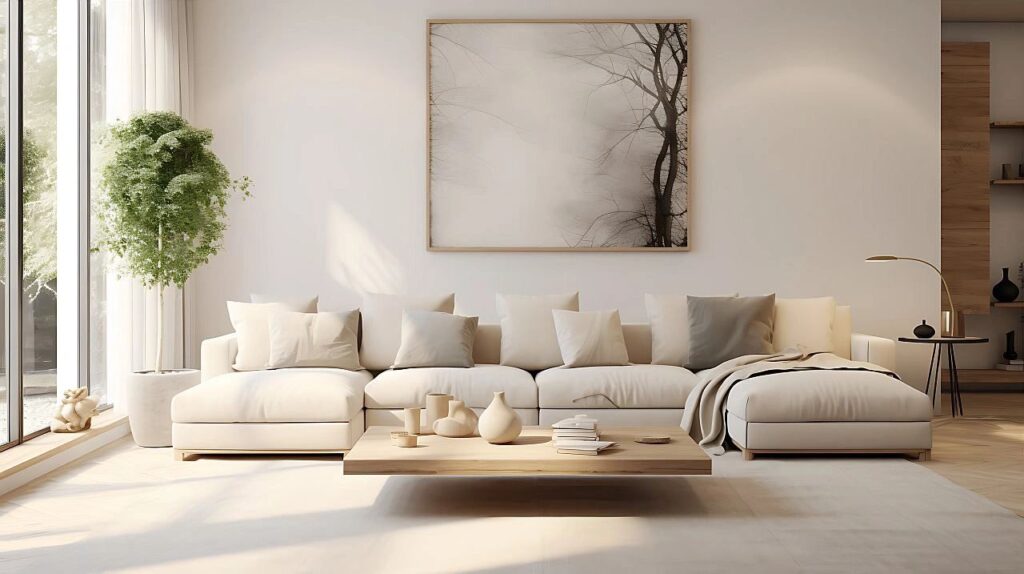
Key elements of this style include:
- A neutral and muted color palette that soothes rather than overwhelms
- Organic shapes and forms that bring softness to the space
- Natural, tactile materials like wood, linen, and stone
- Curated decor that emphasizes quality over quantity
It’s minimalism reimagined—less about empty spaces, and more about creating space to breathe.
The Building Blocks of Soft Minimalism: Color, Texture & Form
Soft minimalism is all about creating harmony through thoughtful choices in color, materials, and layout. Each element works together to promote a calm, grounded atmosphere while still feeling warm and inviting.
A. Color Palette
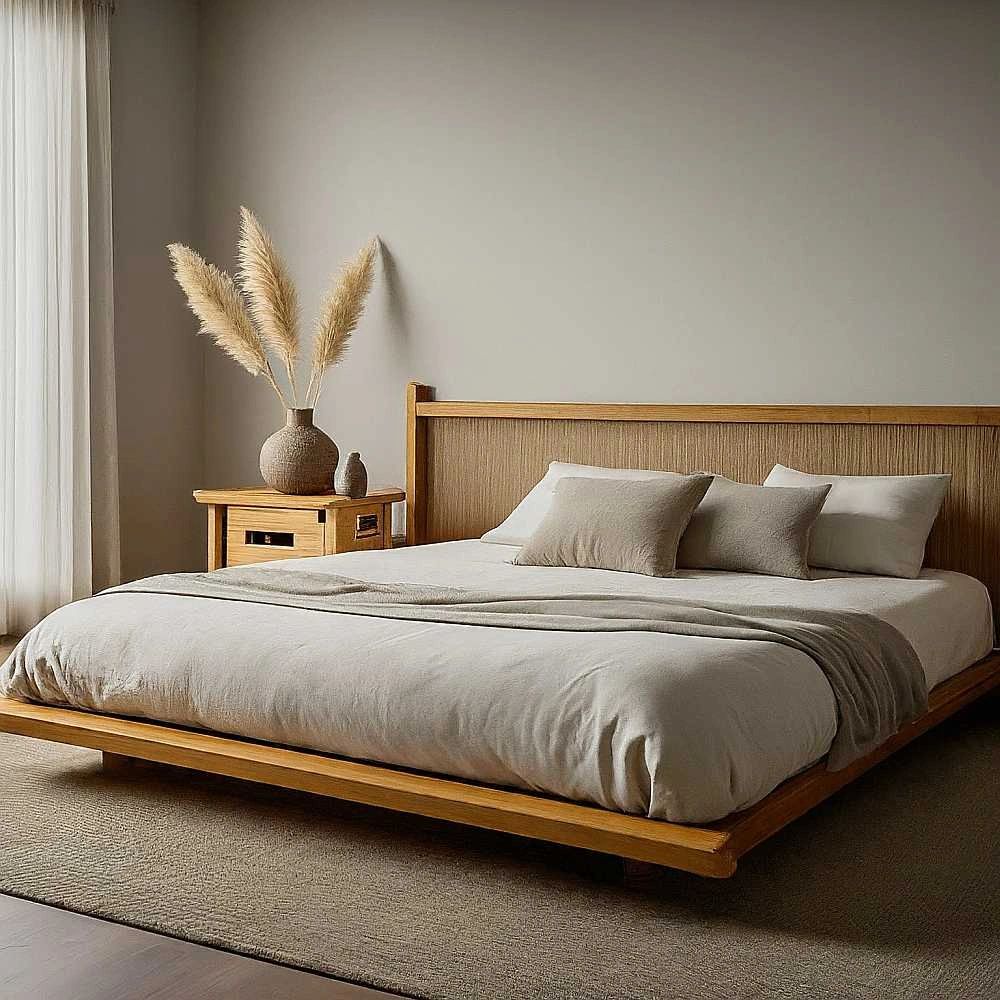
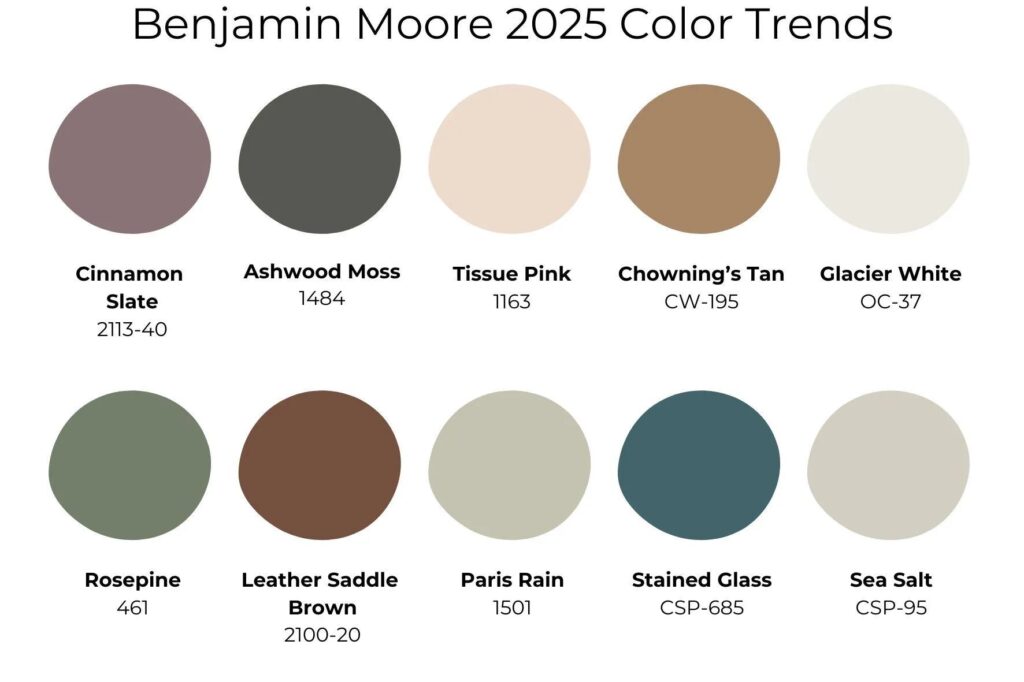
Soft minimalism leans into earth tones, soft whites, beiges, warm greys, sage, and blush to create a soothing visual foundation. Instead of stark contrasts, it uses tone-on-tone layering to build depth and interest without adding visual clutter.

B. Materials & Textures
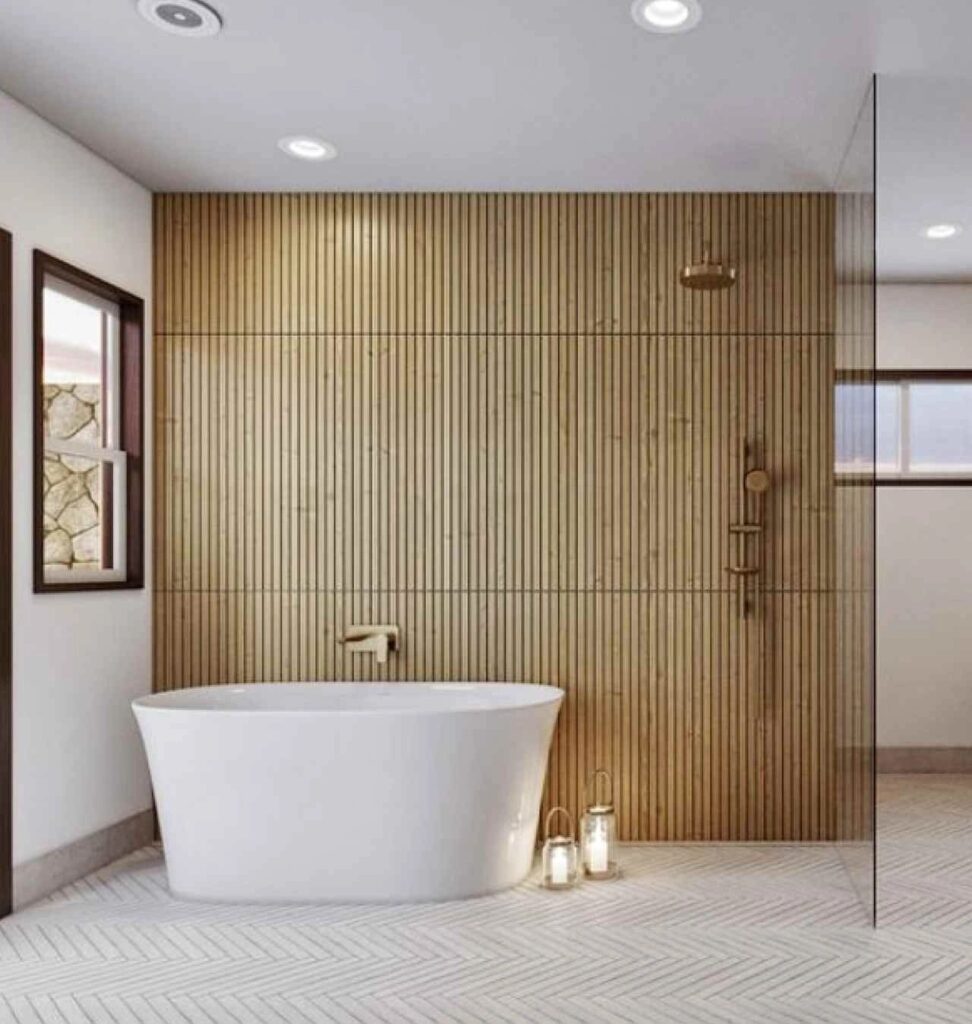
This style thrives on natural materials—think wood, linen, stone, clay, wool, and boucle. Textures are layered intentionally for a tactile richness, while matte finishes replace gloss to maintain a soft, understated look. The result is a space that invites touch and exudes quiet luxury.
C. Furniture & Layout
Furniture follows a streamlined silhouette with gentle curves, favoring comfort and subtle elegance over showiness. Pieces are often multipurpose and highly functional, reinforcing the minimalist mindset. Layouts make smart use of negative space, and low-profile furniture helps anchor the room with a grounded, breathable feel.
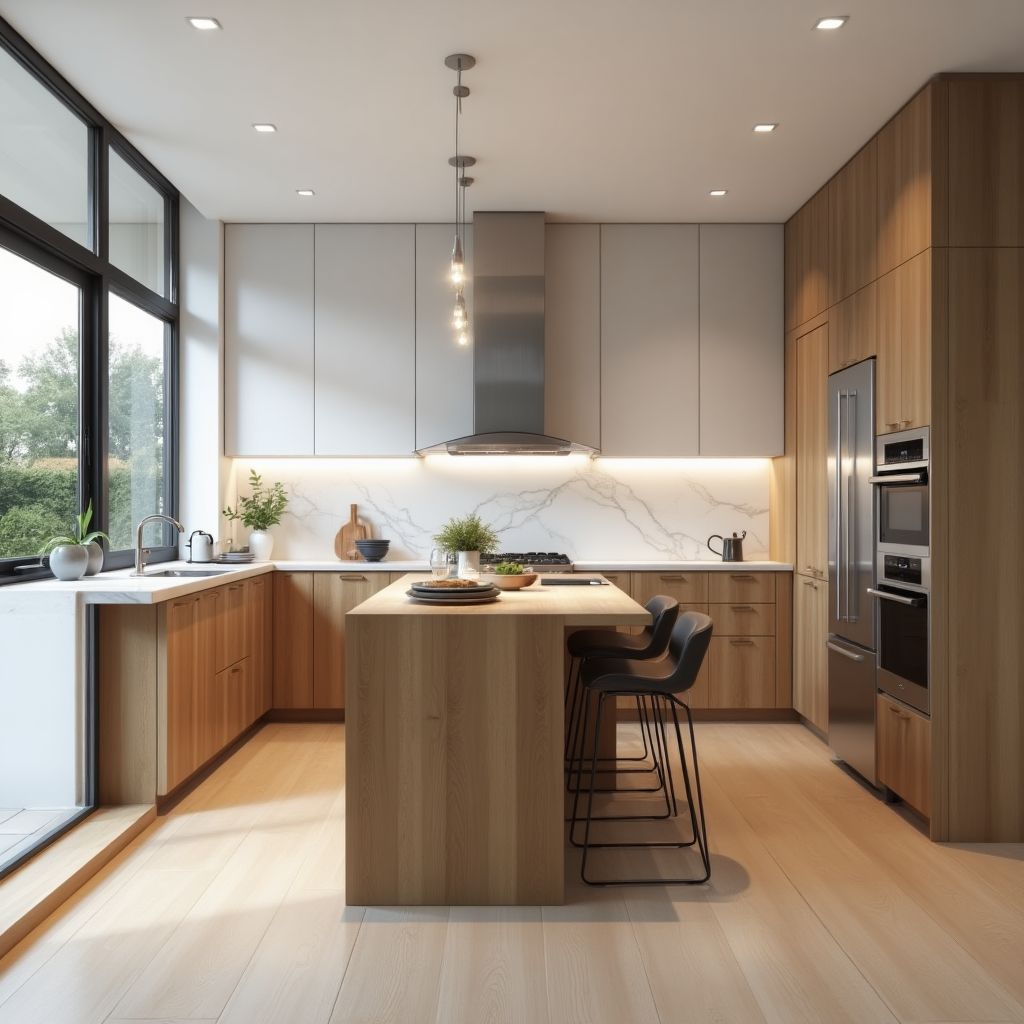
Together, these elements shape environments that are as restful as they are refined.
How to Style Your Home with Soft Minimalism
Creating a soft minimalist space doesn’t mean starting from scratch—it’s about making intentional choices that bring calm, comfort, and clarity to your home. From decluttering to layering textures, here’s how to bring this trend to life in a way that feels both personal and practical.
1. Declutter with Purpose
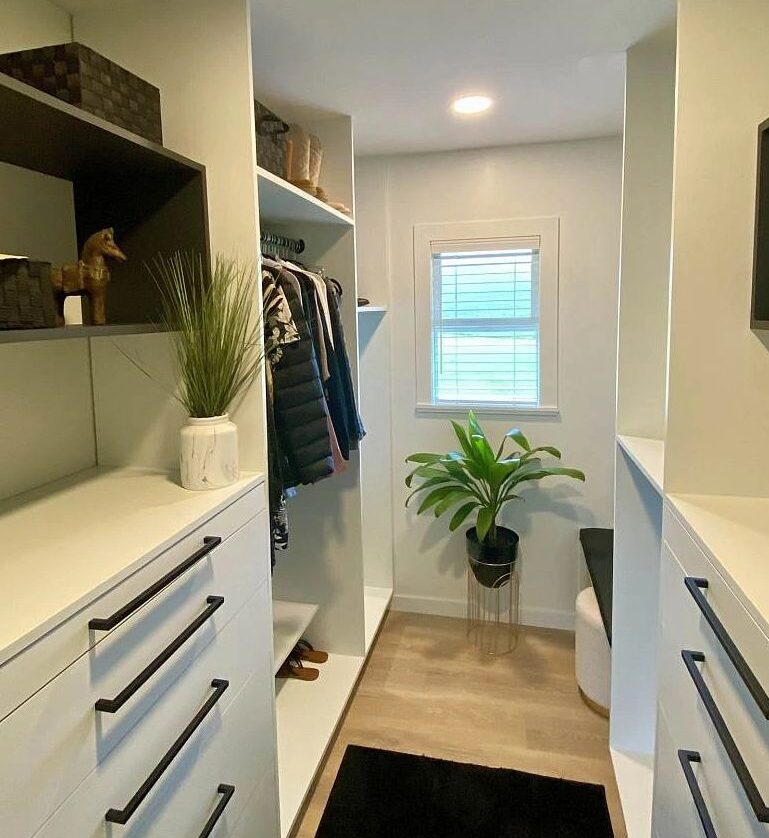
Start by removing what you don’t need—but don’t strip the space bare. Soft minimalism isn’t about perfection or austerity; it’s about keeping only what adds function, beauty, or emotional value. Think quality over quantity: a single, meaningful piece of decor is more powerful than a shelf full of filler.
2. Layer Natural Textures
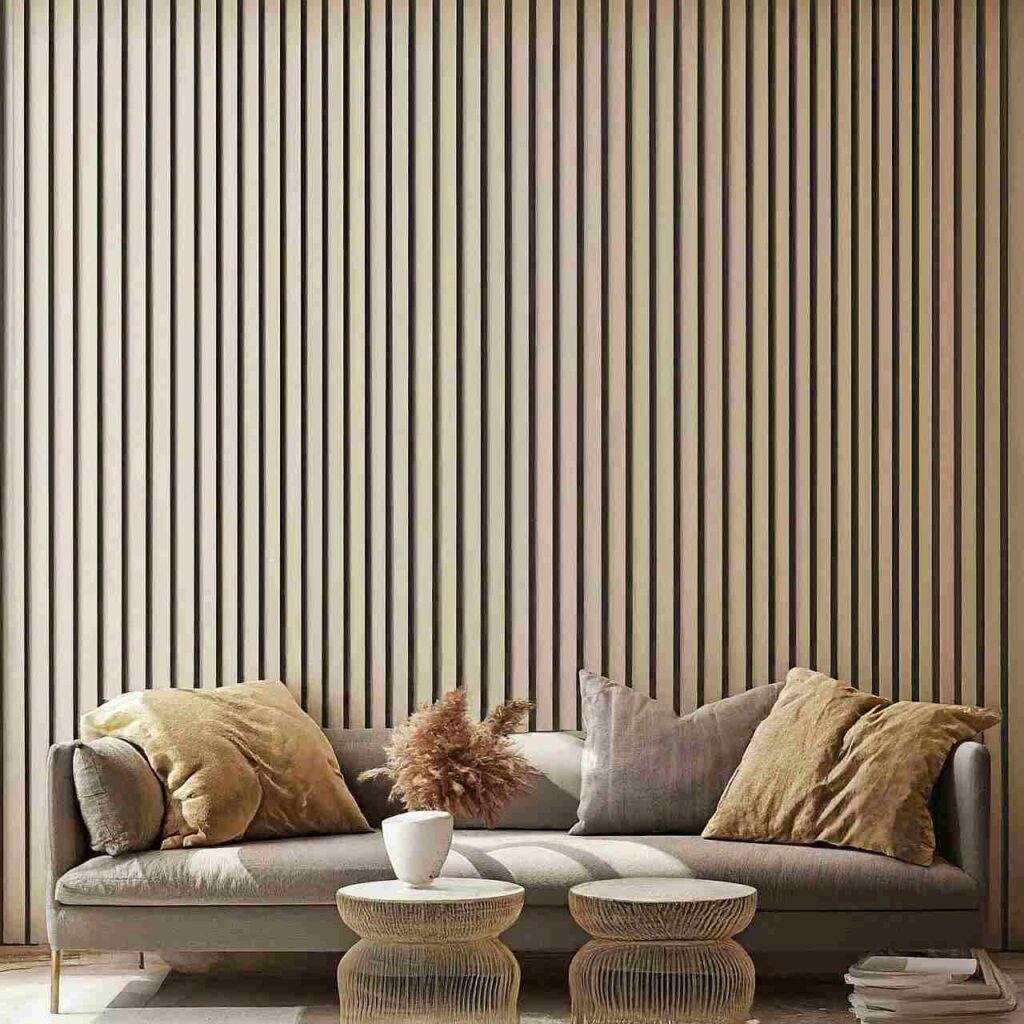
Add warmth and dimension with layers of soft, natural materials. A linen throw draped over a boucle armchair, a jute rug beneath a smooth oak coffee table, or textured ceramic vases on a matte stone shelf—all these combinations bring subtle richness without overwhelming the senses. The goal is to create a cozy, tactile environment that still feels spacious.
3. Soften the Lighting
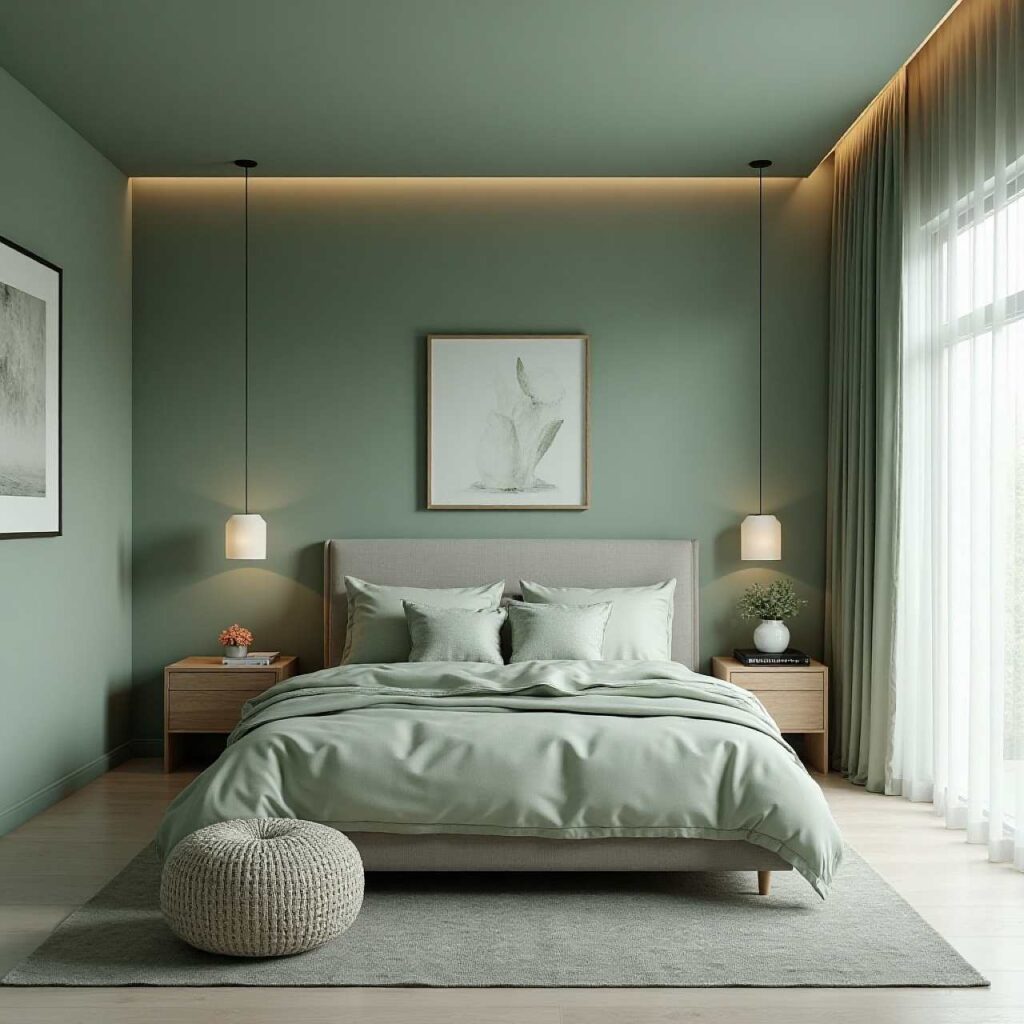
Lighting plays a huge role in soft minimalism. Swap harsh overheads for warm, ambient light using floor lamps, wall sconces, or pendant lights with dimmers. Natural light is a major asset—maximize it with light-filtering curtains in natural fabrics like cotton or linen to keep the mood gentle and serene.
4. Curate, Don’t Decorate
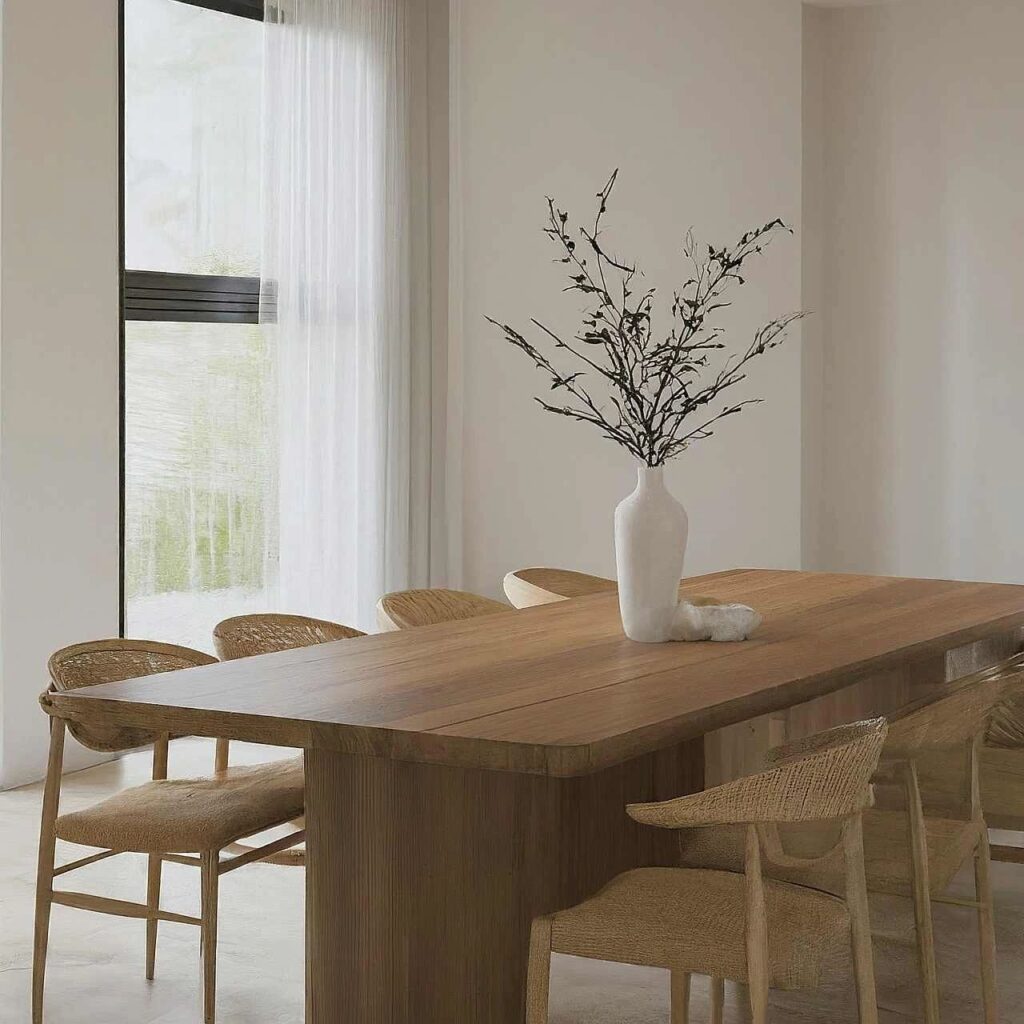
Instead of filling every surface, choose a few carefully selected pieces that reflect your style. Think: a hand-thrown vase, a piece of abstract art, or a sculptural object made from natural materials. These touches bring character to the room without adding chaos.
5. Add a Touch of Nature
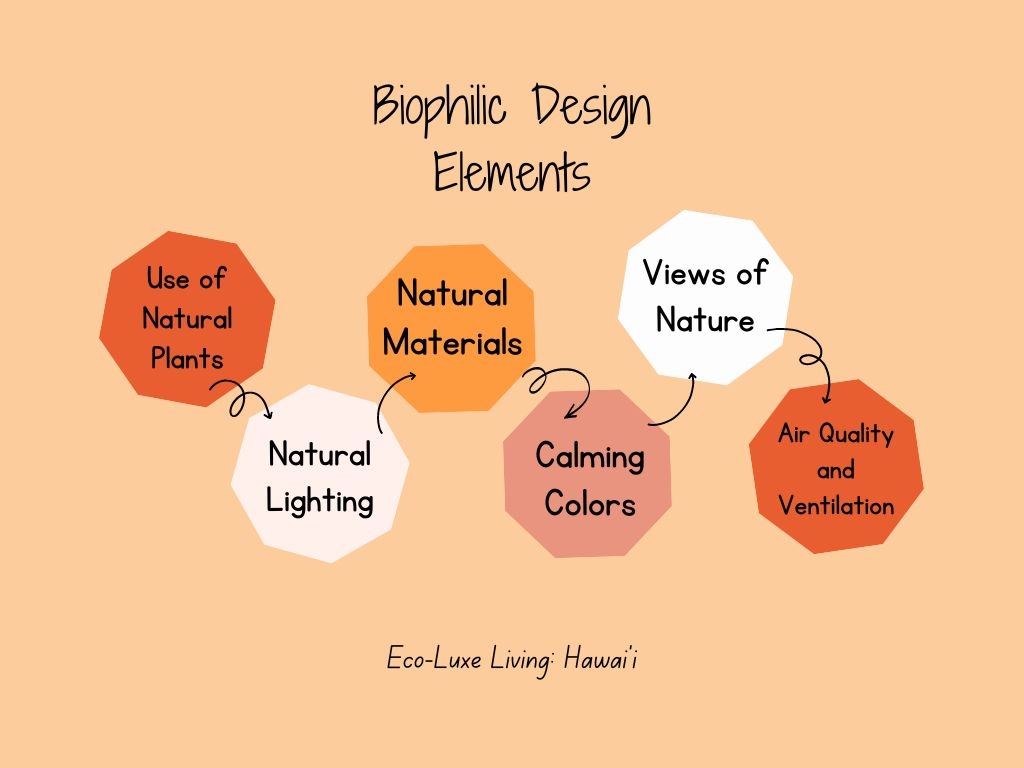
Incorporate biophilic elements like indoor plants, branches in a simple vase, or dried grasses. Greenery not only softens the overall look but also brings life and tranquility to the space—hallmarks of the soft minimalist aesthetic.
By focusing on these details, you can transform your home into a space that feels light, intentional, and deeply comforting—an everyday sanctuary that supports both style and well-being.
Why Soft Minimalism Works for Modern Living
Soft minimalism fits seamlessly into the realities of modern life by offering both aesthetic beauty and practical benefits. First and foremost, it supports mental clarity and relaxation—cluttered environments can be overwhelming, while a pared-down space with soft textures and calming colors helps reduce stress and promote a sense of peace. It’s also easier to maintain than more elaborate or high-decor styles, making it ideal for busy individuals or families. Fewer decorative items mean less to clean and organize, allowing more time to enjoy your space.
Another major advantage is its alignment with sustainable, intentional consumption. Rather than constantly chasing trends, soft minimalism encourages investing in fewer but higher-quality pieces that are made to last. Lastly, its versatility makes it perfect for small spaces and multifunctional rooms—open layouts, smart storage solutions, and visually light furniture help maximize both form and function without overcrowding.
Common Mistakes to Avoid
As with any design approach, it’s easy to misinterpret or overdo certain aspects of soft minimalism. One common mistake is going too bare, which can result in a space that feels cold or uninviting. Remember, minimal doesn’t mean empty—texture, warmth, and meaningful objects are essential. On the flip side, some people fall into the trap of over-accessorizing, which contradicts the minimalist goal and can quickly clutter a space.
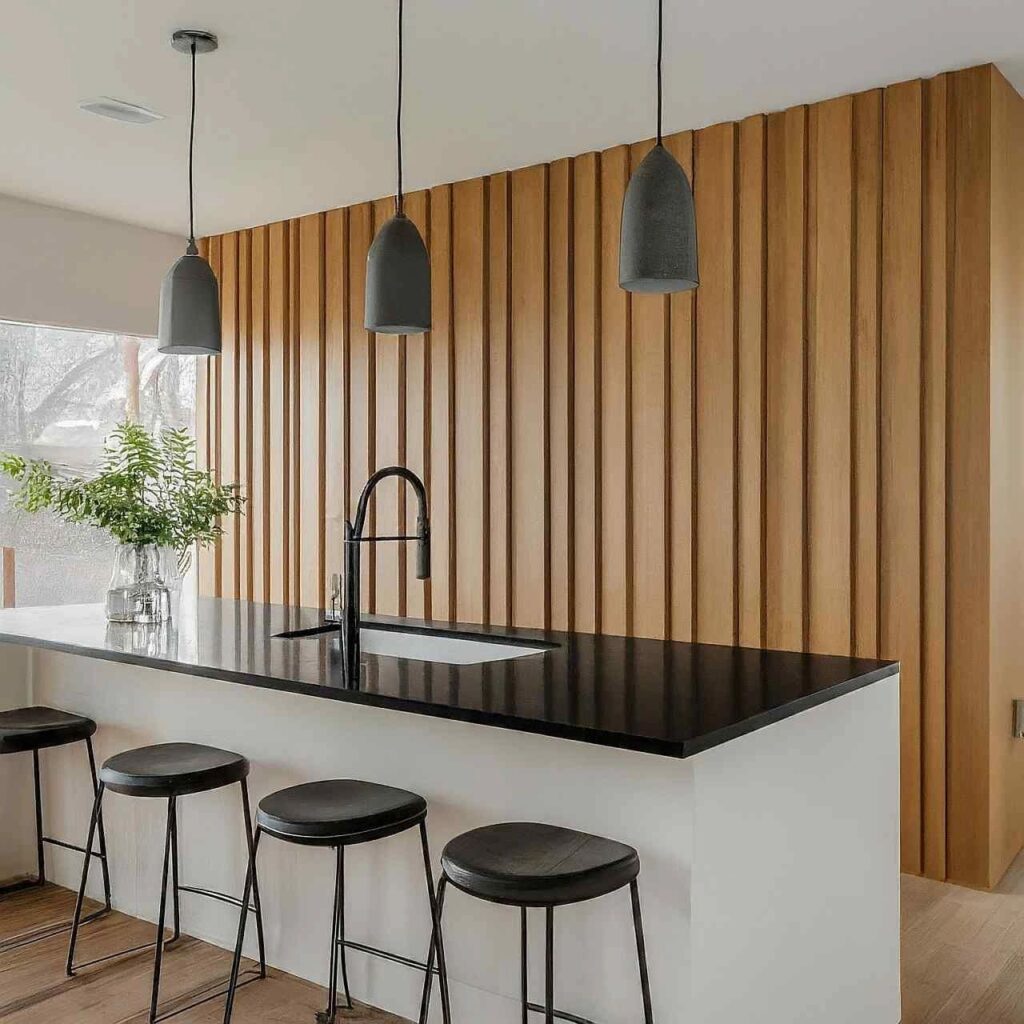
Another issue is using only one texture or tone throughout the room, which can make the space feel flat and uninspired. The key to soft minimalism is subtle contrast and layered interest—mix soft textiles with natural wood, stone, or ceramic to create visual depth while keeping the palette cohesive and calm.
How to Transition into Soft Minimalism
Shifting to a soft minimalist home doesn’t require a complete overhaul—it can be done gradually and intentionally. Start by decluttering one room, focusing on what you truly use and love. This process helps clarify your design vision and makes it easier to style your space thoughtfully.
Next, choose a calming color scheme made up of soft neutrals and earthy tones. Use this palette as your guide when selecting new items or editing existing decor. Instead of filling your space with inexpensive or trendy pieces, invest in a few quality items that are both beautiful and functional. These anchor pieces will define the tone of the room and last for years.
Finally, consider the atmosphere. Swap harsh lighting or sharp-edged furniture for softer alternatives like curved silhouettes, warm lighting, and natural materials. These changes may be subtle, but they make a big difference in creating a home that feels gentle, intentional, and well-balanced.
Conclusion: Embrace the Beauty of Calm
Soft minimalism is more than just a design trend—it’s a lifestyle choice that prioritizes comfort, clarity, and connection in the spaces we inhabit. It allows your home to feel serene without sacrificing character, offering a perfect blend of form and function. By embracing simplicity and warmth, you create a space that not only looks good but also feels like home.
As always, mahalo nui for joining us for this week’s home renovation blog! Be sure to check out all of our blog posts for more trends and design tips. If you’re inspired to try soft minimalism in your own space, start small and trust the process. We’d love to hear from you—share your journey, challenges, or favorite minimalist finds. Let’s create calmer, cozier, eco-luxe homes together.


Author Bio: Read More