Renovation tips for Hawaiʻi homes: prevent mold, manage moisture, and choose durable materials designed for tropical climates.
Renovating a home in Hawaiʻi is different from renovating almost anywhere else in the United States. Our tropical climate brings beauty, but it also brings constant humidity, salt air exposure, and the very real risk of water intrusion.
Over time, I’ve learned that successful renovations in Hawaiʻi aren’t just about design — they’re about durability.
After working on multiple renovation projects locally, including restoring units affected by water intrusion and mold, one lesson stands out clearly: moisture control must come before cosmetic upgrades.
At Eco-Luxe Living: Hawaiʻi, eco-luxury means building homes that last.
Why climate-resilient renovation matters in Hawaiʻi
Many homes in Hawaiʻi — particularly condominiums and older properties — experience ongoing exposure to moisture through roof systems, exterior walls, plumbing systems, and humid air infiltration.
Even small issues can lead to:
- hidden mold growth
- deterioration of drywall and flooring
- cabinetry damage
- indoor air quality concerns
- repeated repair costs
In tropical environments, materials simply behave differently. What works well in dry mainland climates may fail quickly in Hawaiʻi.
Climate-resilient renovation focuses on preventing damage before it happens, rather than repeatedly repairing the same issues.
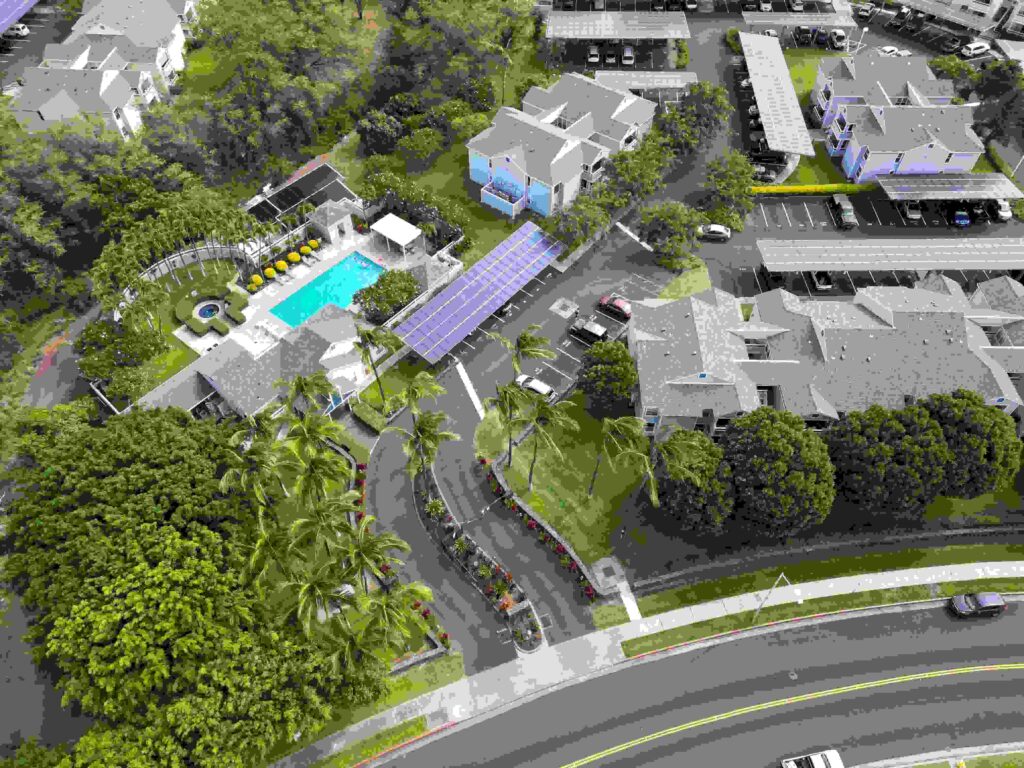
In one recent condo renovation project, water intrusion from an exterior common element caused damage to drywall, flooring, and insulation in two bedrooms. What initially appeared to be a flooring issue turned out to involve moisture inside the wall cavity.
Within a short time, mold developed in the drywall between units — something that is unfortunately common in Hawaiʻi’s climate when moisture goes undetected.
Situations like this illustrate why renovation planning must consider:
- hidden moisture
- building envelope integrity
- ventilation
- long-term durability
For homeowners dealing with similar issues, you can read more in our guide to mold mitigation here: “Home Renovation Safety in Hawaiʻi: Mold Mitigation Essentials”
Start with moisture control, not finishes
One of the most common renovation mistakes is prioritizing visible upgrades before addressing moisture risks.
Before selecting flooring, cabinetry, or paint colors, homeowners should evaluate:
- roof condition
- exterior drainage
- plumbing leak risks
- ventilation performance
- signs of previous water intrusion
These foundational improvements often determine how long a renovation will last.
A beautiful renovation built on unresolved moisture issues rarely stays beautiful for long.
Choosing moisture-resistant materials
Material selection plays a major role in how well a renovation performs over time.
In Hawaiʻi homes, consider prioritizing:
Flooring
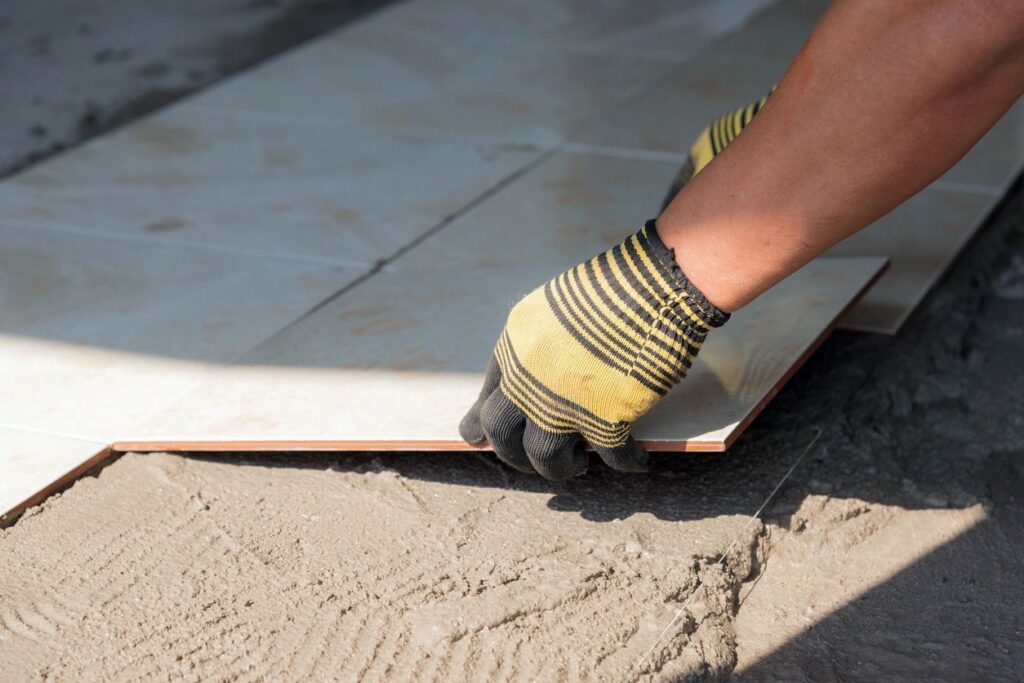
- porcelain tile
- sealed concrete
- engineered hardwood rated for humidity
- luxury vinyl plank (quality products only)
Wall systems
- mold-resistant drywall in vulnerable areas
- cement board in bathrooms and laundry spaces
- properly sealed wall penetrations
Cabinetry
- plywood box construction
- solid wood fronts
- moisture-resistant finishes
- avoiding particleboard in high-humidity areas
Paint systems
- low-VOC, mold-resistant interior paint
- proper priming of repaired drywall
- breathable coatings where appropriate
These materials may cost more initially but often reduce long-term maintenance.
Ventilation is one of the most overlooked upgrades
Ventilation is essential in tropical homes but frequently under-designed.
Improving airflow can significantly reduce humidity buildup and mold risk.
Important upgrades include:
- properly sized bathroom exhaust fans
- kitchen ventilation that vents outside (not recirculating only)
- improved airflow in bedrooms and closets
- attic ventilation where applicable
In many cases, ventilation improvements are inexpensive compared to repair costs caused by trapped moisture.
Leak detection and early warning systems
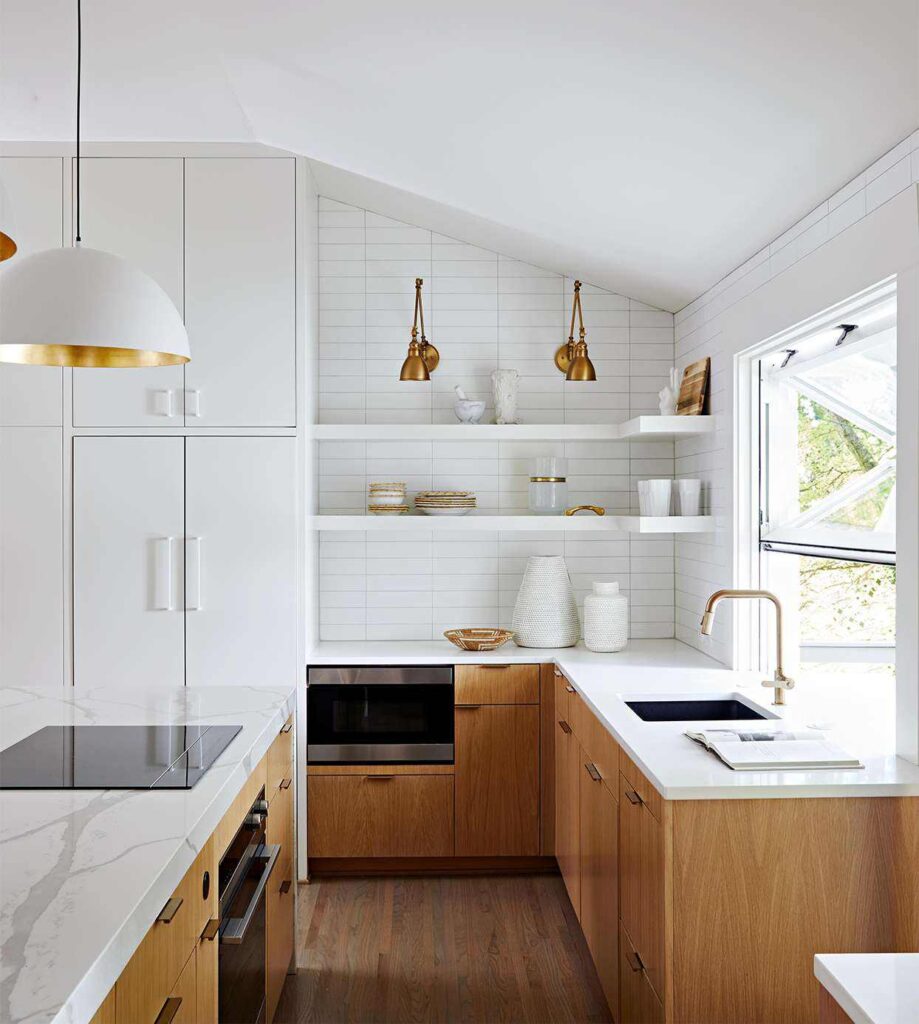
One of the most practical climate-resilient upgrades available today is leak detection technology.
Smart leak sensors placed near:
- water heaters
- sinks
- refrigerators
- washing machines
- toilets
can alert homeowners immediately when moisture is detected.
Automatic shut-off valves can prevent catastrophic damage from plumbing failures.
These systems are becoming increasingly common in renovation planning, especially in multi-unit buildings.
Exterior protection matters just as much as interior design
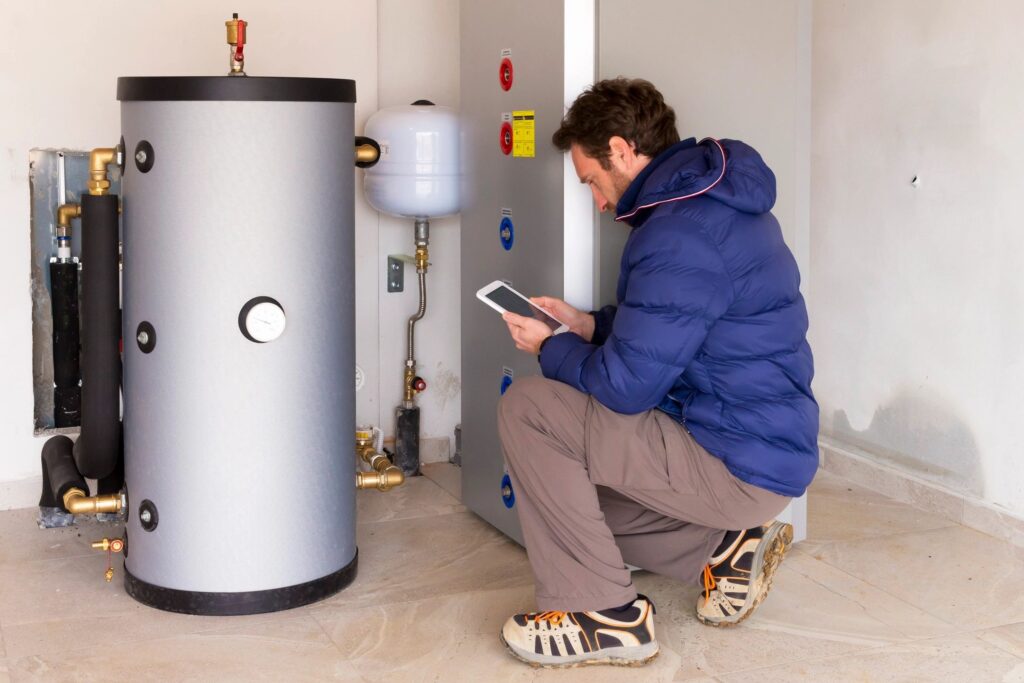
In Hawaiʻi, water intrusion often begins outside the home.
During renovation planning, it’s important to evaluate:
- roofing condition
- flashing details
- exterior sealants
- window and door weatherproofing
- drainage systems
Interior repairs alone cannot solve exterior water intrusion.
Durable renovations consider both sides of the building envelope.
A durability-first renovation mindset
Eco-luxe renovation isn’t about spending more — it’s about spending wisely.
A durability-focused renovation prioritizes:
- Water management
- Structural protection
- Healthy indoor air
- Long-lasting materials
- Thoughtful design
This approach reduces waste, protects property value, and supports sustainable living.

Eco-luxe living in a tropical climate
Sustainability in Hawaiʻi isn’t just about energy efficiency or recycled materials. It’s about building homes that can withstand the environment they exist in.
Climate-resilient renovation protects:
- your home
- your health
- your finances
- your community’s housing resources
And ultimately, it allows homeowners to restore and care for properties in a way that honors both the home and the island environment.
That is the heart of eco-luxe living in Hawaiʻi.

As always, mahalo for joining us for this week’s home renovation blog! Be sure to check out all of our blog posts for more great tips and tricks to renovate your home in paradise.